
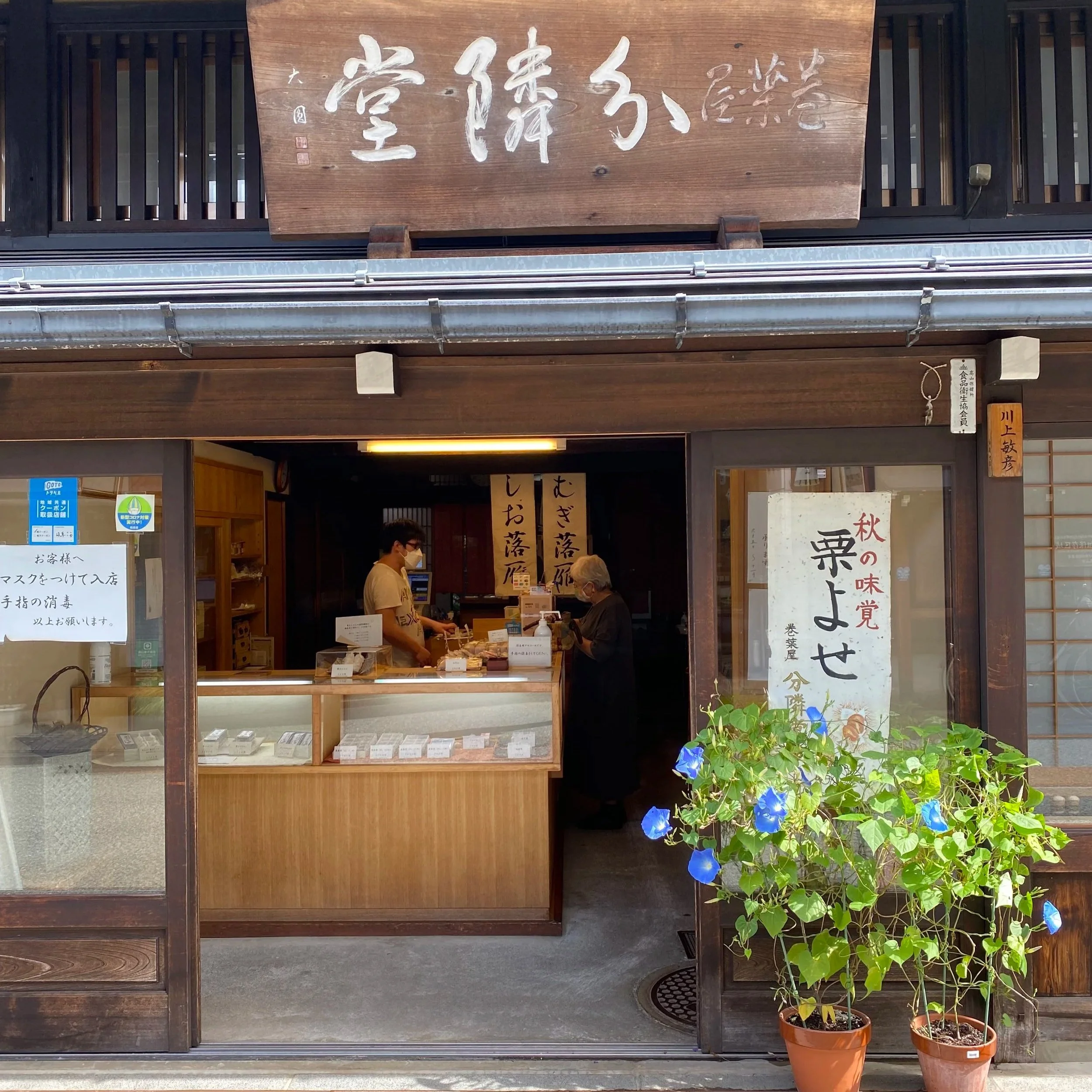


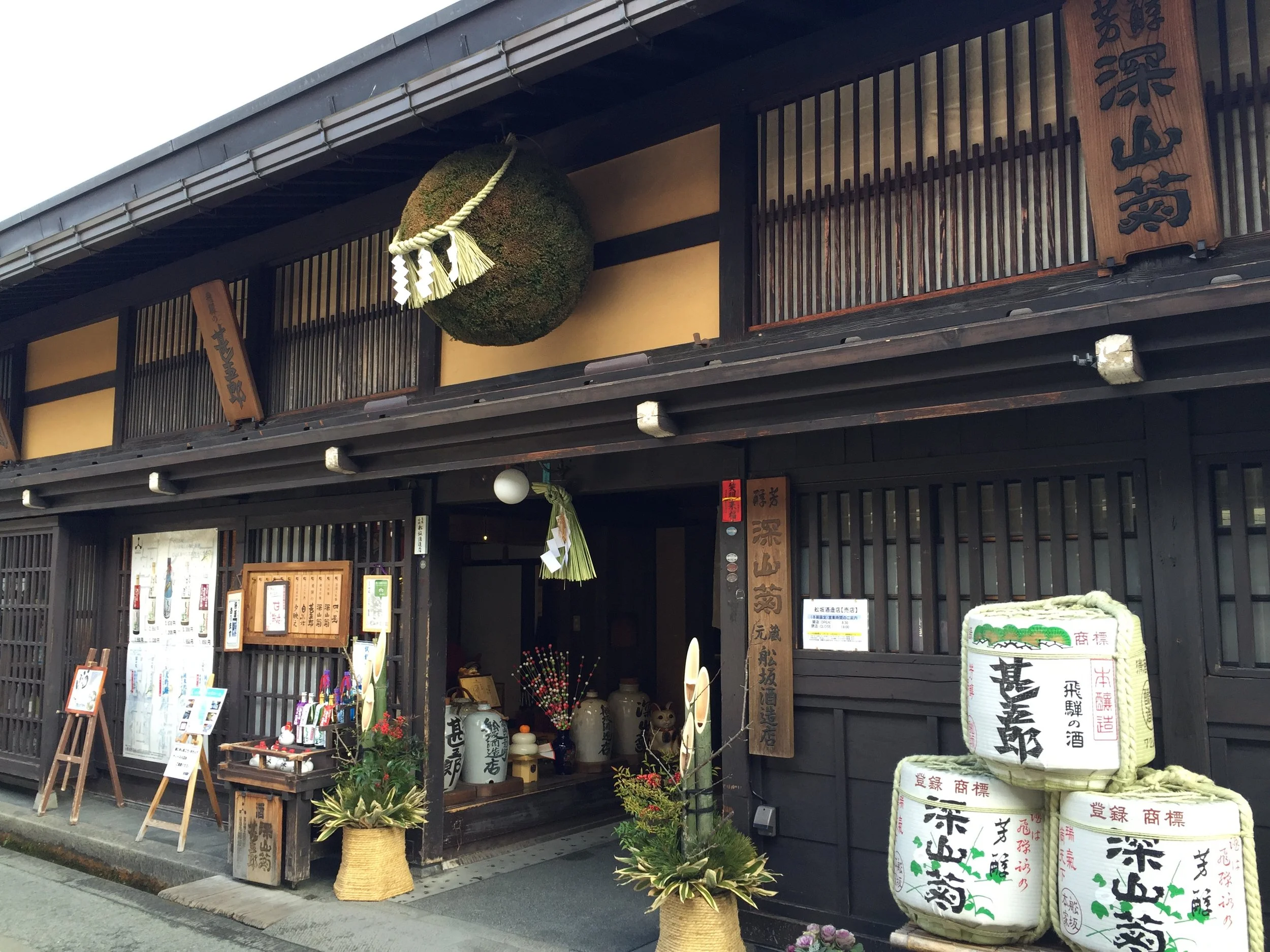
Hida Province and the Tokugawa Shogunate
Hida-Takayama, then known as Hida Province, was one of the territories governed directly by the Tokugawa shogunate during the Edo period (1603–1868). When you travel through the Japanese countryside, you'll find yourself drawn to historic sites, and most of them reflect the Edo period. Apart from Kyoto and Nara, which carry more than a thousand years of history as former capitals, most Japanese cherish the historic districts, buildings, art, and artisanal traditions that grew during the Edo period. It was the most peaceful era in Japanese history, two and a half centuries without war. It was also the most suppressed and strictly controlled. By limiting foreign ships to a few designated ports, it also greatly enriched Japan's domestic culture.
As a food enthusiast and a micro-farmer, I have to point out that Edo already had a restaurant ranking system. It was printed on a single sheet of paper, laid out like the sumo wrestler rankings. Many cookbooks and farming guides were also published at the time. One of my favorite YouTubers is a natural farmer who apprenticed under Masanobu Fukuoka. He always says that Edo-period farmers had already tested almost everything we could think of in organic farming. Reading those old farming guides is on my list for someday.
The city of Edo (today's Tokyo) was more populous than London, with over a million people. Imagine a crowded town built entirely of wood, and it's easy to see how devastating a fire could be. In fact, major fires broke out in Edo every few years. This is why Hida came under direct shogunate control: to rebuild the city. Hida was known for its forests and fine carpentry, and Edo needed timber and skilled carpenters to rebuild after each fire. And so, in 1692, Hida-Takayama came under the direct rule of the Tokugawa shogunate.
The shogunate directly governed villages, towns, and ports all around Japan to bring it wealth. Hida was one of the largest, about one and a half times the size of Luxembourg, or roughly the size of Rhode Island. Sado and Oki, each an island province of its own, were also under direct control: Sado to supply gold, and Oki as a strategic port of call for the ships that carried goods along the Sea of Japan coast. You may not know where Sado is, but it's home to Kodo, the taiko drumming group that tours around the world. I've seen them perform twice, once at Carnegie Hall in New York and once at Walt Disney Concert Hall in Los Angeles. Rich history and culture always grow from strong patronage. With its close ties to the shogunate and the wealth of its gold mines, the island developed an especially rich culture. Sado no longer gives us gold, but it still has a strong presence through the performing arts. I recently traveled to Niigata and northern Nagano and came across the "Gold Trail," the route that carried gold from Sado to Edo. Trails like this, and others such as the "Mackerel Trail," are historic routes now mostly replaced by paved roads. In Gifu, we have the Nakasendo, a scenic trail that is part of my tour. I'd like to introduce it another time.
Takayama Today
Takayama still has a strong presence today, and you'll hear Japanese people call it "Little Kyoto." One major reason it became such a tourist center is new road access. The Japan Alps stand between Nagano and Gifu, and for a long time they made travel and transport very difficult. In 1997, the Abō Tunnel opened, creating an east–west route from the Nagano side. Now many travelers go from Tokyo to Nagano, then on to Takayama and Toyama. Before that, you could only reach Takayama from the south or the north, and there wasn't even a highway north through Gifu to Takayama and Shirakawa-go. I remember the drive taking five to six hours. Since the expressway was completed in 2008, it takes about an hour and a half from my home in Seki. A day trip to Takayama, which was never an option for me before, is now easy.
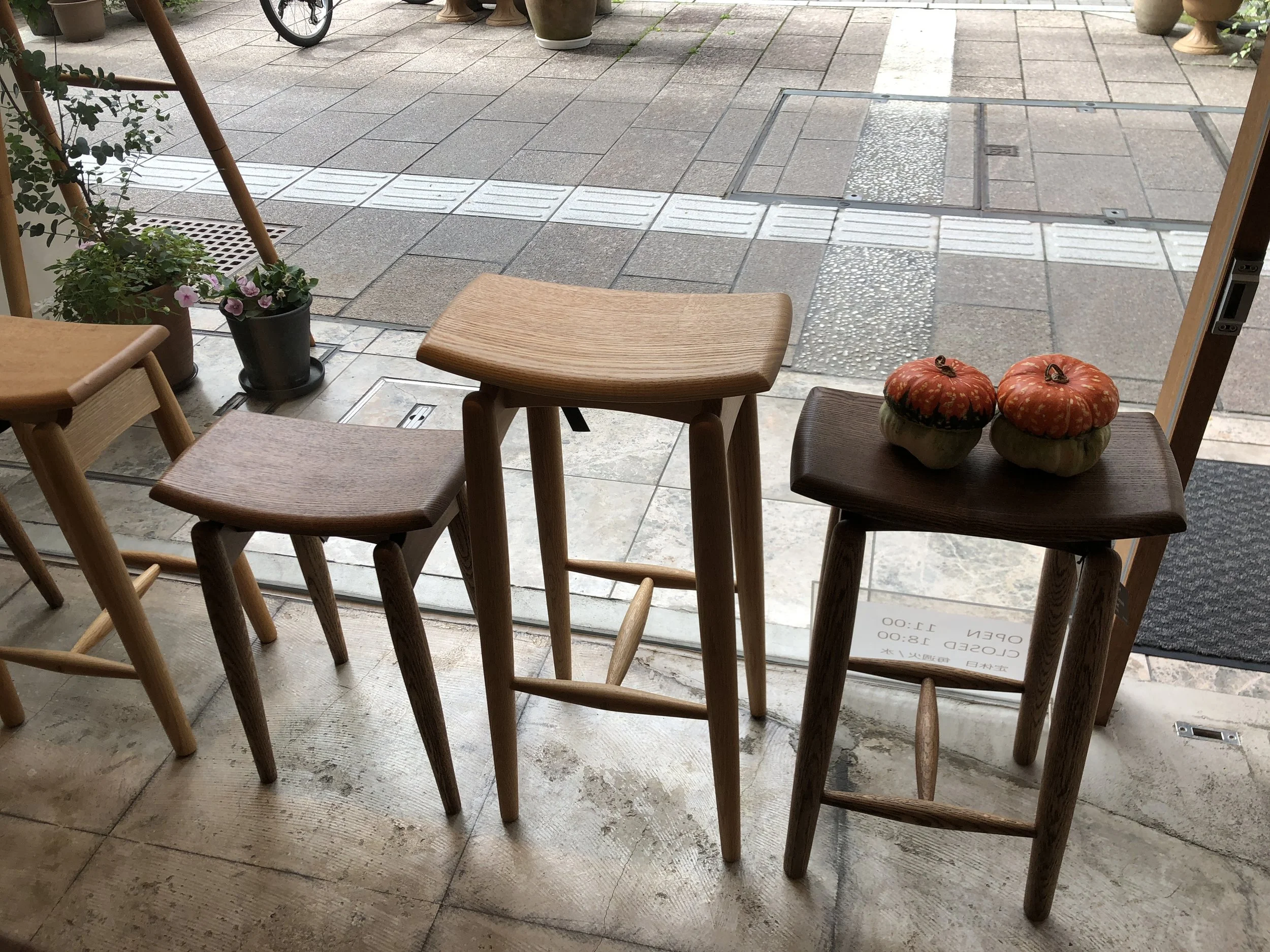
My father's business was importing hardwood, and his clients in Hida-Takayama were all furniture makers. When you come and stay at my home, you'll see that all the furniture is made in Japan, most of it in Takayama. And it's not just furniture. Many small businesses and independent makers here create beautiful wood products, and you can even find some of them at the morning market.
The Morning Market
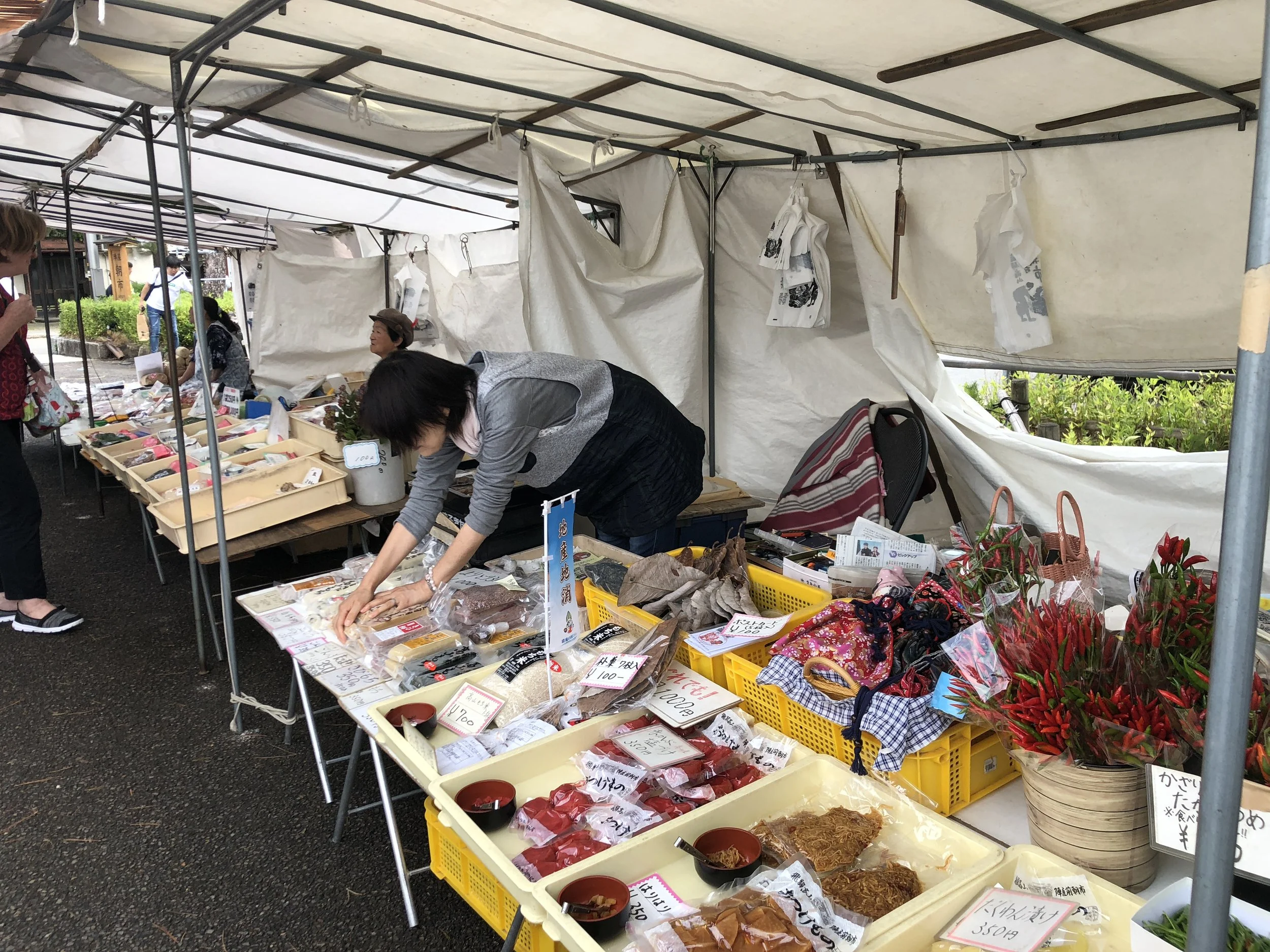
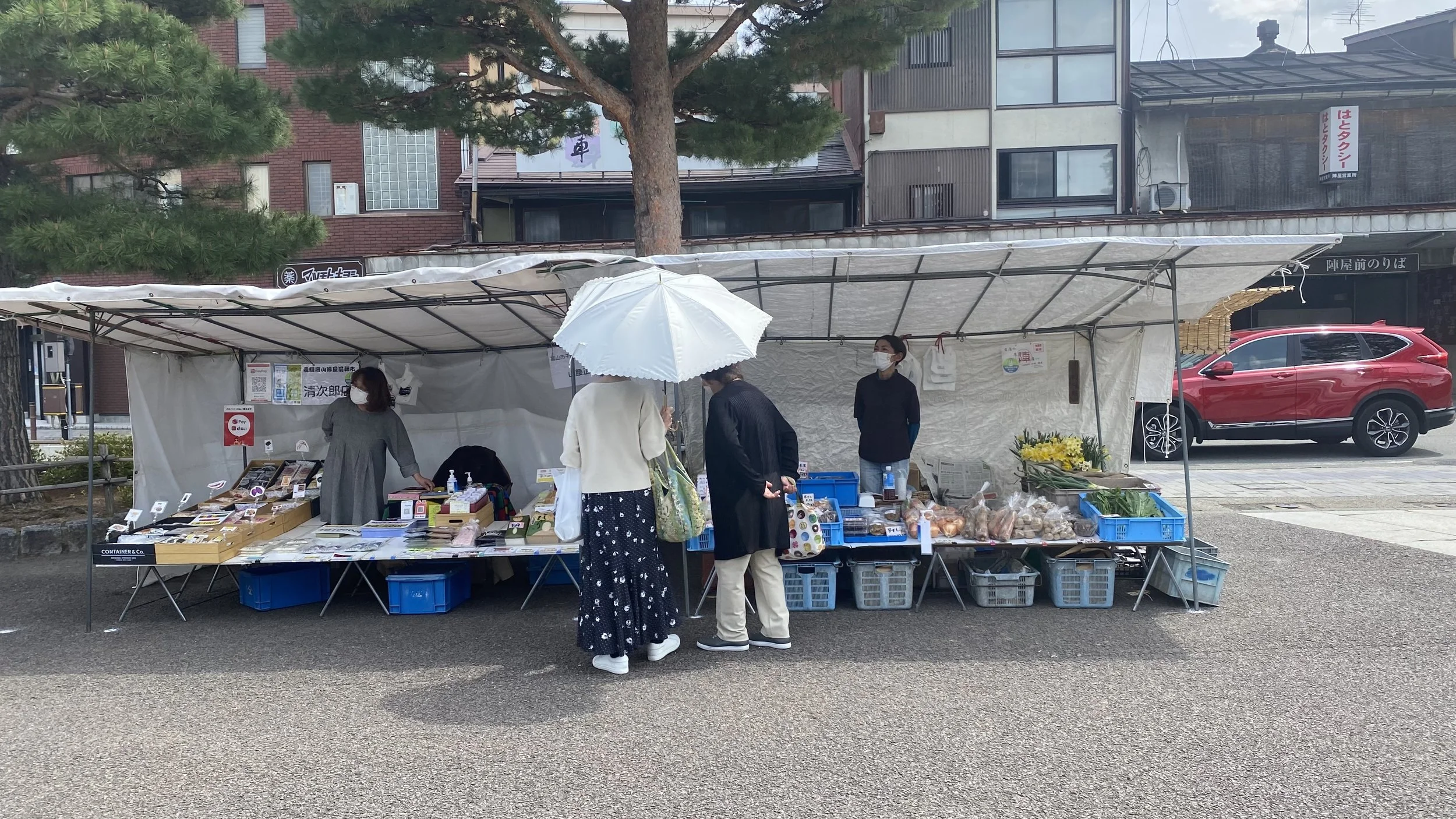
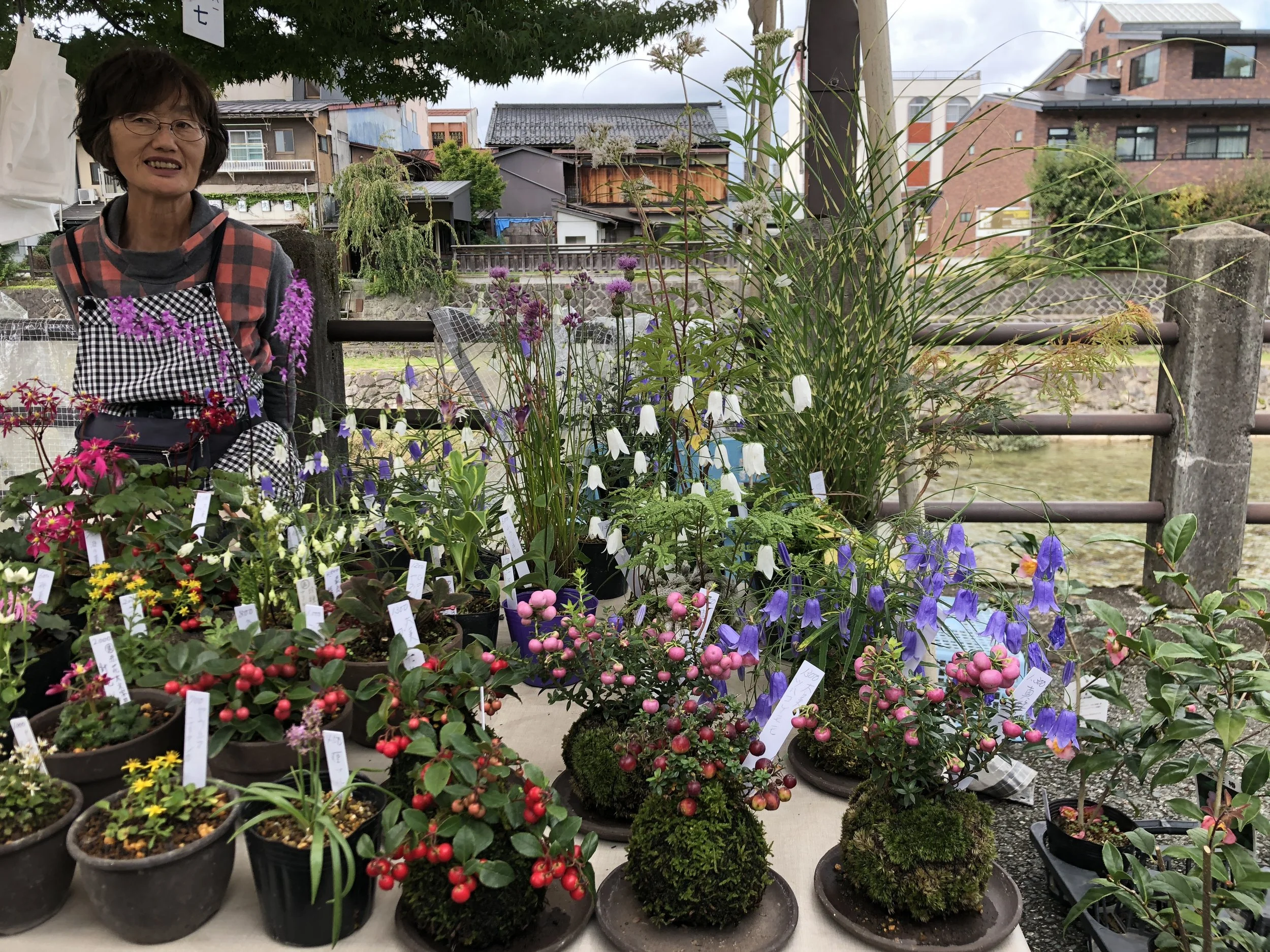
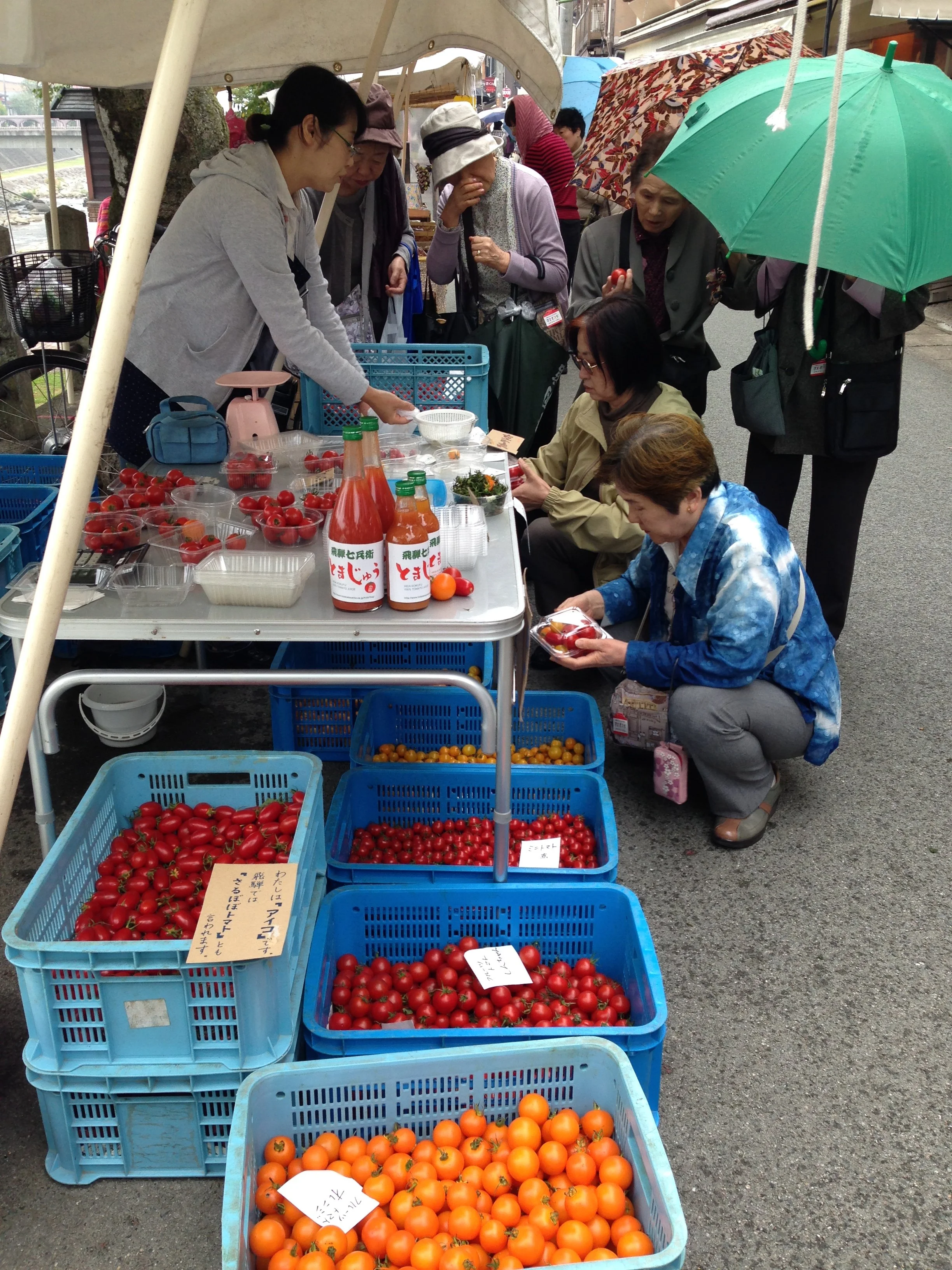
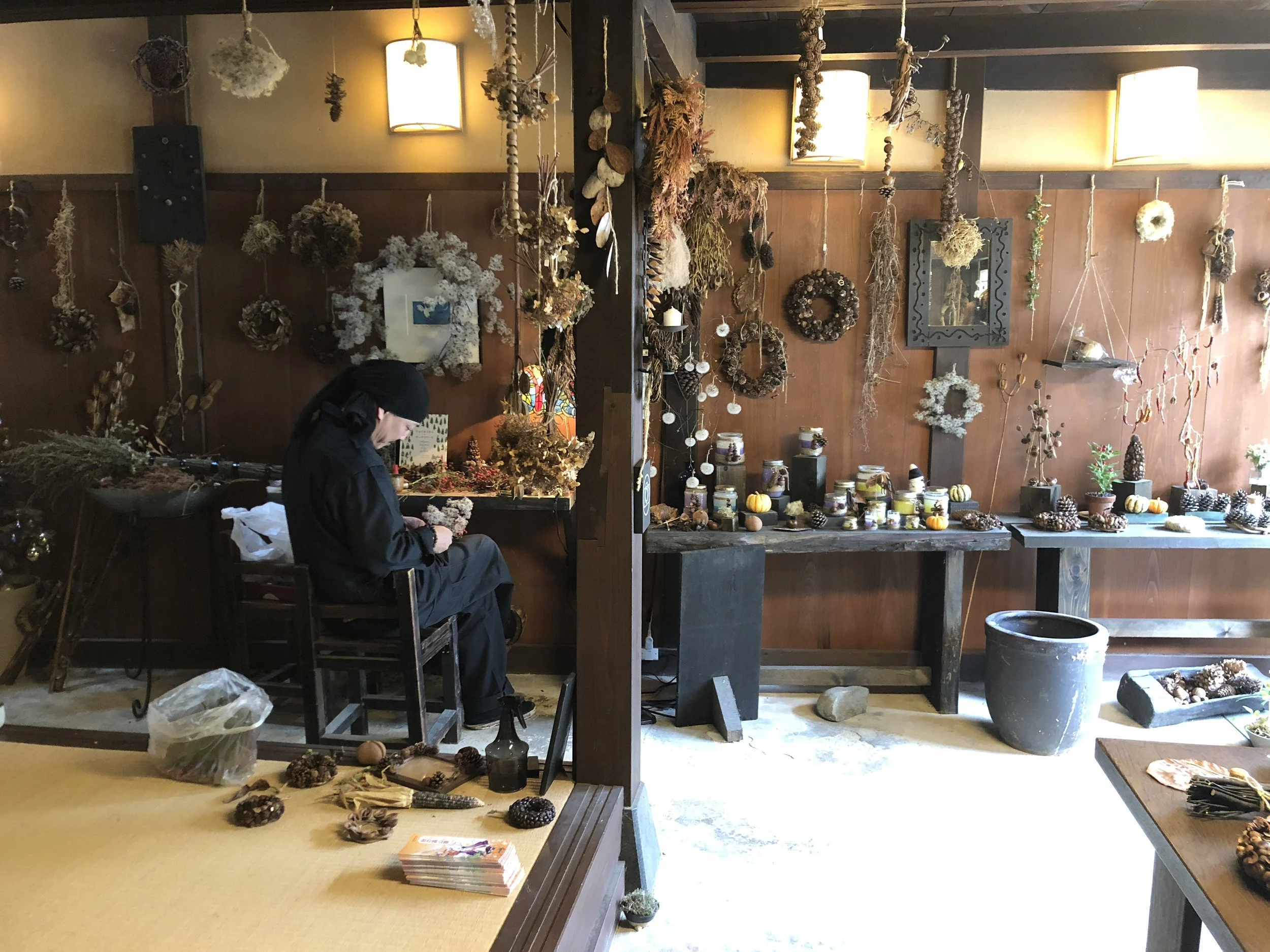
There are three well-known morning markets in Japan. One is in Takayama. Another is in Wajima, not far from Takayama, which was devastated by the recent Noto earthquake. Both have become more tourist destinations than community markets. Takayama has two market locations. The one along the Miyagawa River is popular and full of tourists, so there are more new vendors catering to visitors. The one I like is smaller, but it has more local farmers, growers, and makers of pickles and natural ornaments that reflect the season and the region. So I usually start my Takayama tours at this market. It's held in front of the Jinya, the local government office of the Edo period and the only building of its kind in Japan that survives in its original form. The market has been held right in front of it for generations.
Eating in Takayama
Takayama also has wonderful restaurants. Toyama Bay lies just to the north, and in the Edo period, winter yellowtail from the bay was carried over the mountains along the "Buri Trail," through Takayama and on to Shinshū. Today, chefs here can still source a wide variety of seafood, along with everything the mountains offer: mushrooms, nuts, wild plants, and fruit. I know a few chefs who moved to Takayama because they found the local produce so inspiring.
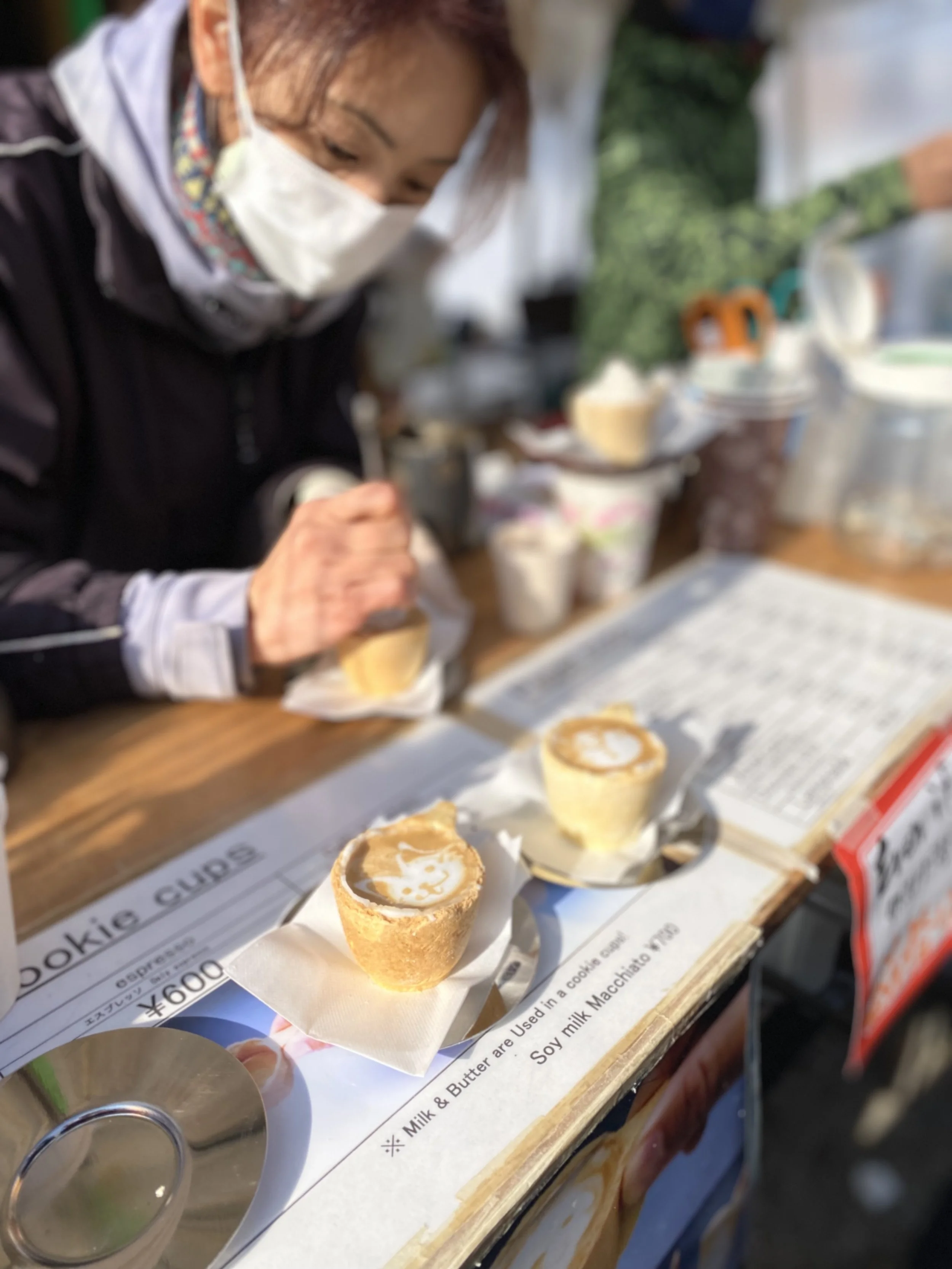
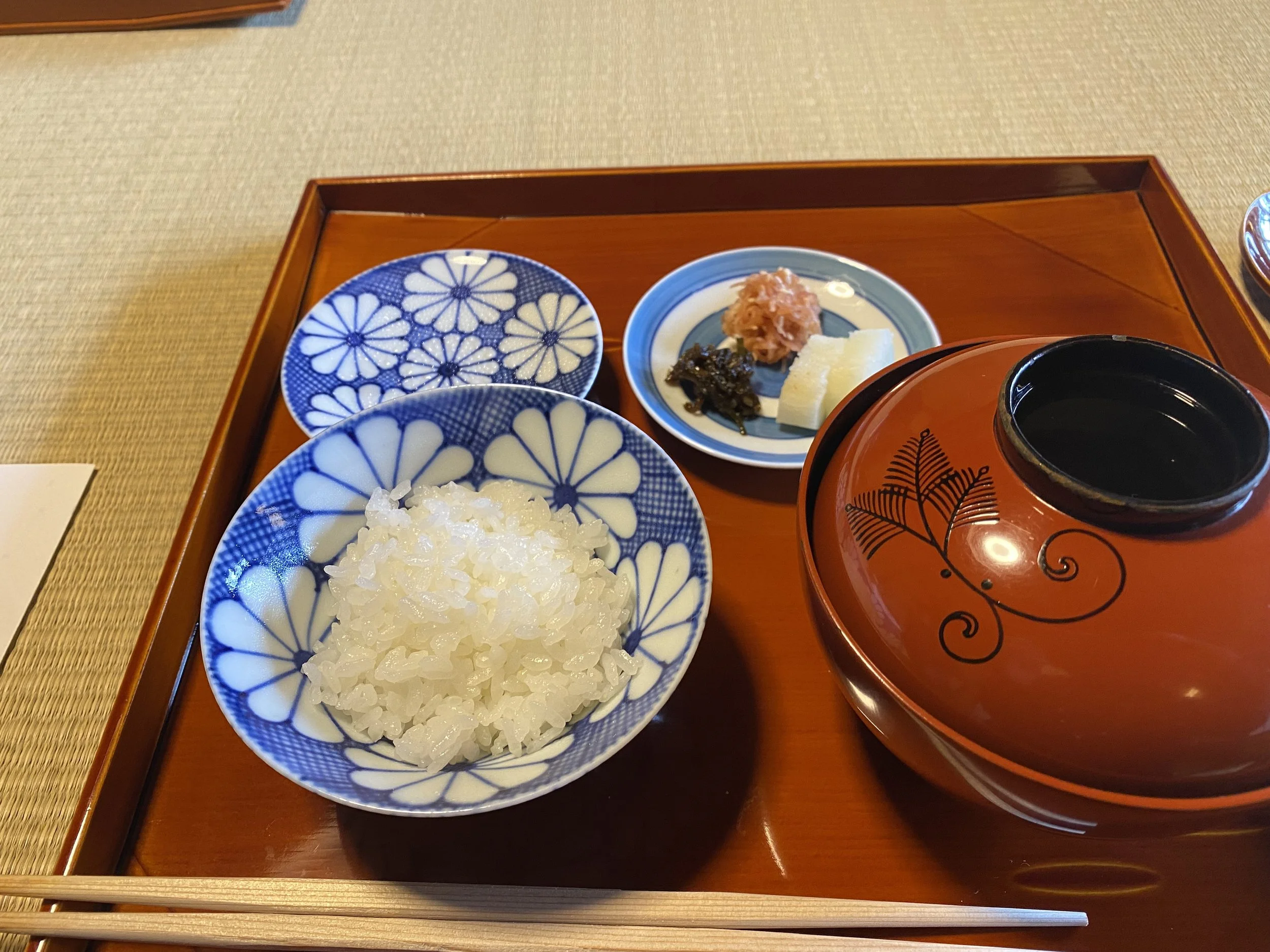
Tea culture took root in Takayama under the Kanamori lords, who ruled before 1692, and it was carried on by the wealthy merchants of the town. For centuries after that, the Jinya kept Takayama a seat of shogunate authority in the middle of the mountains. Because of this, the town has several refined kaiseki restaurants, with beautiful architecture and Japanese gardens, where every dish is served on artful ceramics. Kaiseki plating in Kyoto can feel almost over the top, dazzlingly beautiful and elaborate. The kaiseki course I had in Takayama was different. It was rustic, beautiful in its simplicity, and in harmony with the landscape around it. It's remarkable to find a restaurant like this in the mountains. And it's not only kaiseki. Takayama has a good bakery and pastry shop, excellent soba and sushi restaurants, and cafés of all kinds. I can't wait for you to try some of my favorite places.
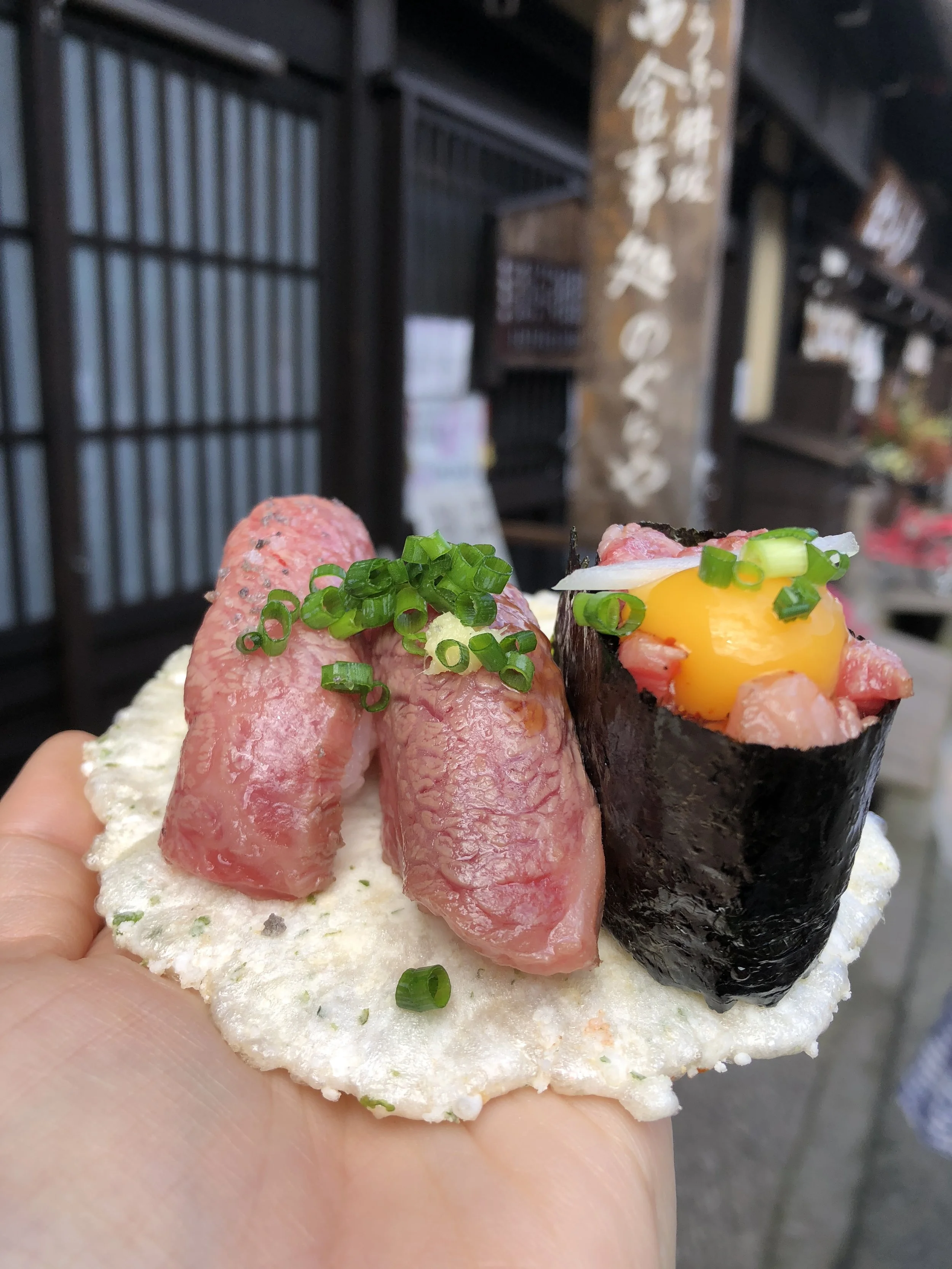
Hida beef (Hida-gyu) is the region's own brand of wagyu. I'm not a big fan of wagyu, especially the heavily marbled A5 grade, but Hida beef sushi is a good bite to try.
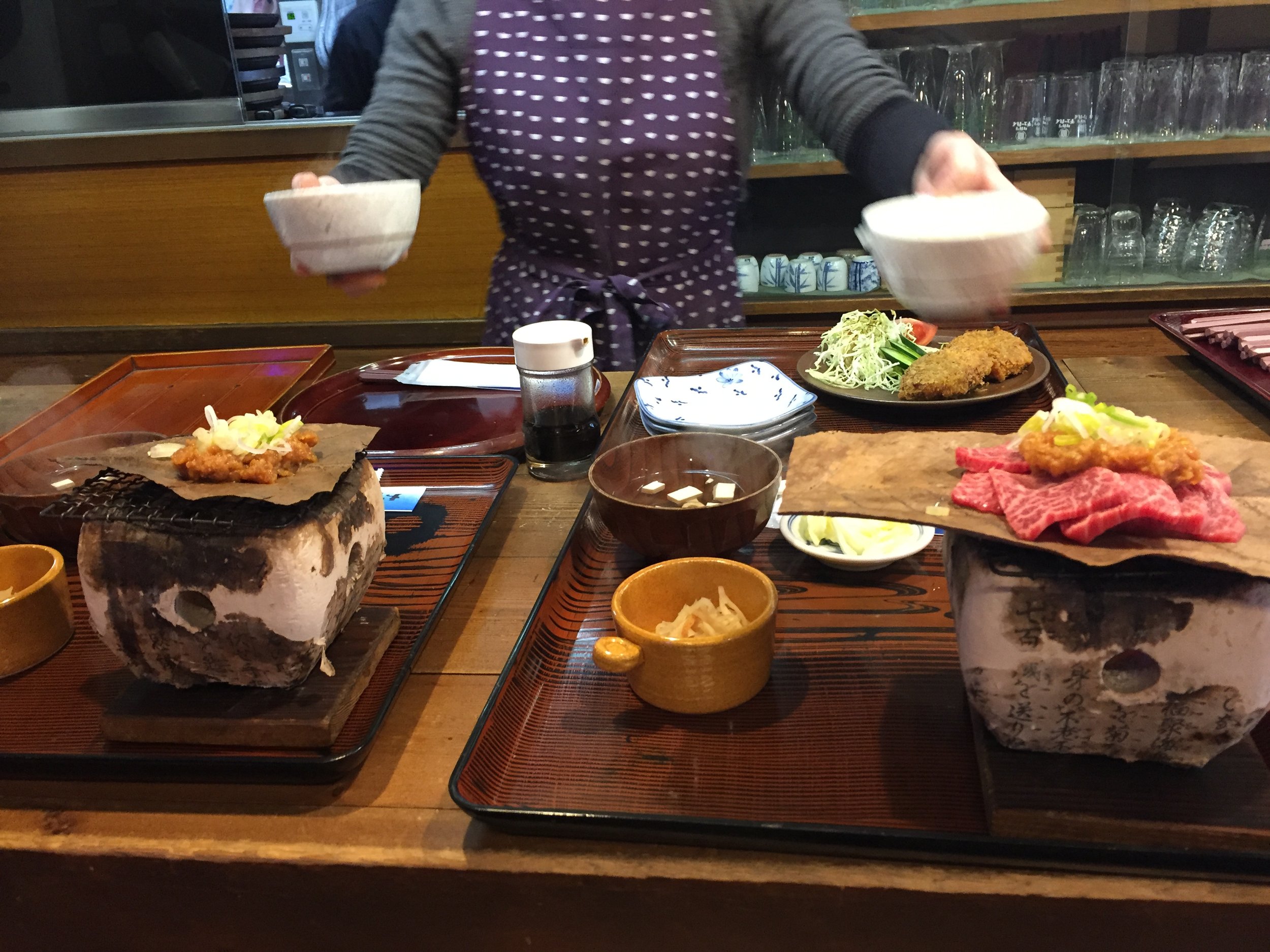
Hoba miso is another regional specialty. Miso is placed on a large dried magnolia leaf (hoba), which serves as both the grilling surface and the plate, and warmed over a small charcoal brazier. The simplest version is miso with chopped green onions, but in recent years you'll find many variations, with mushrooms or Hida beef.
What to Buy
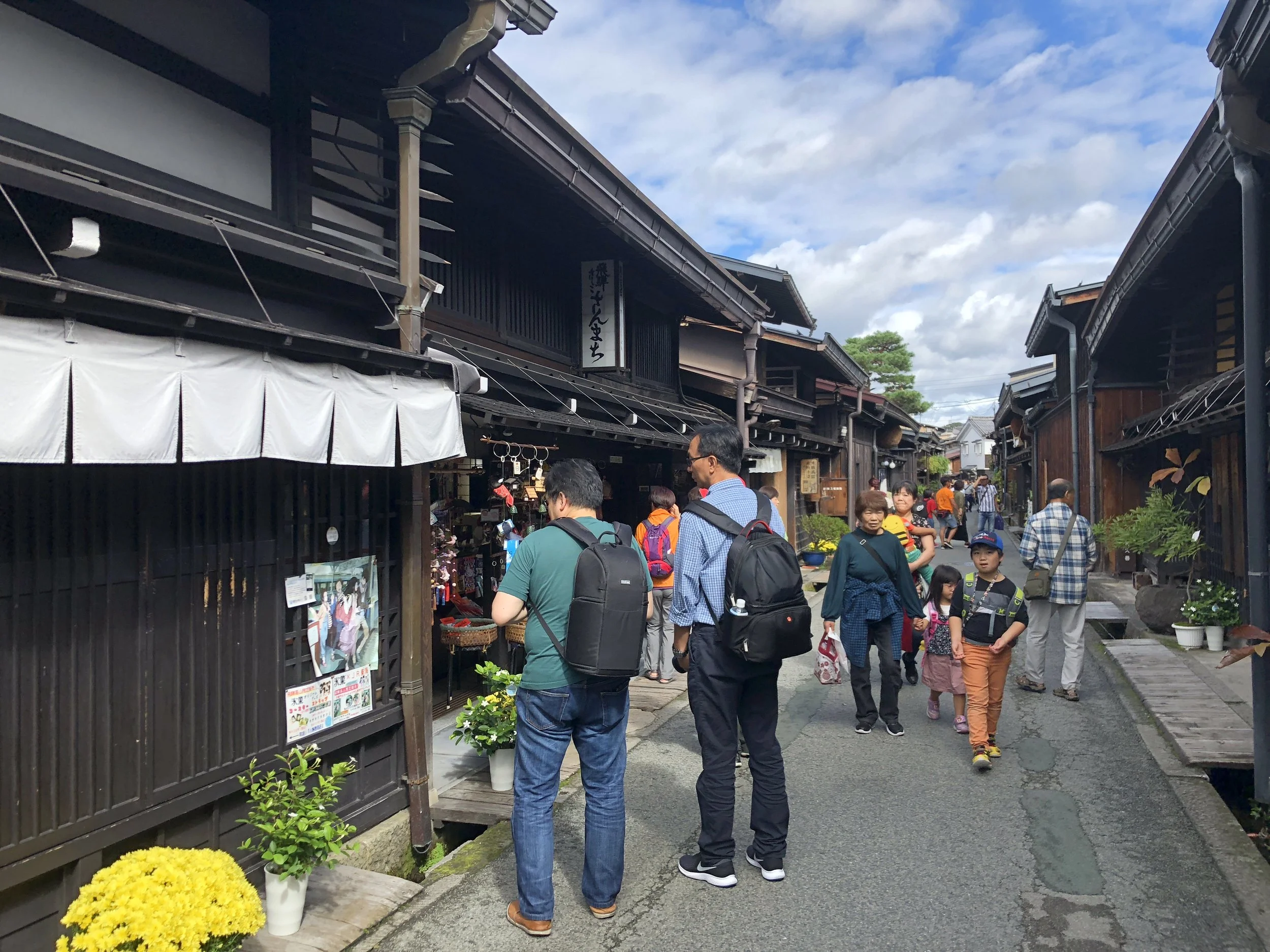
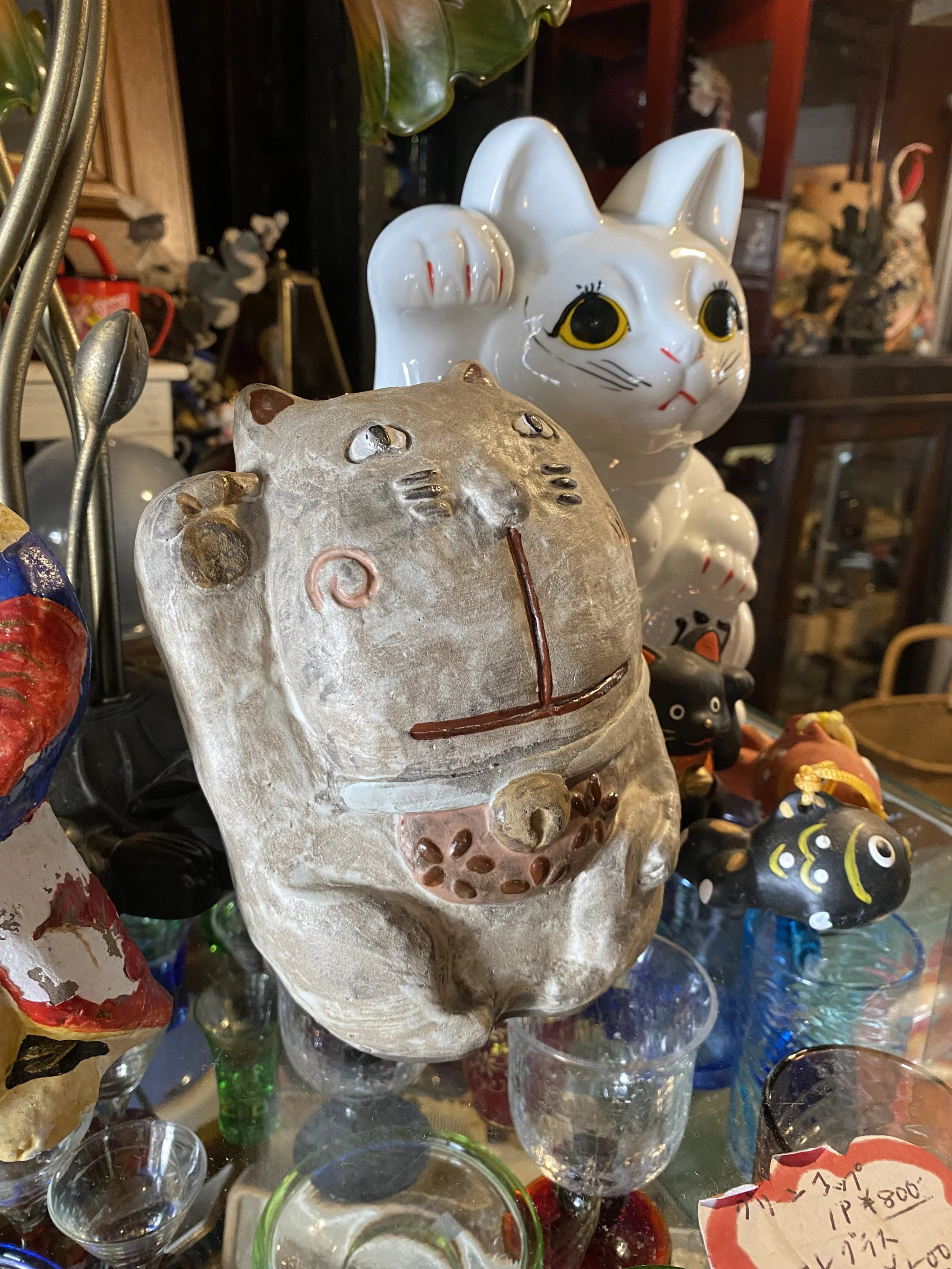
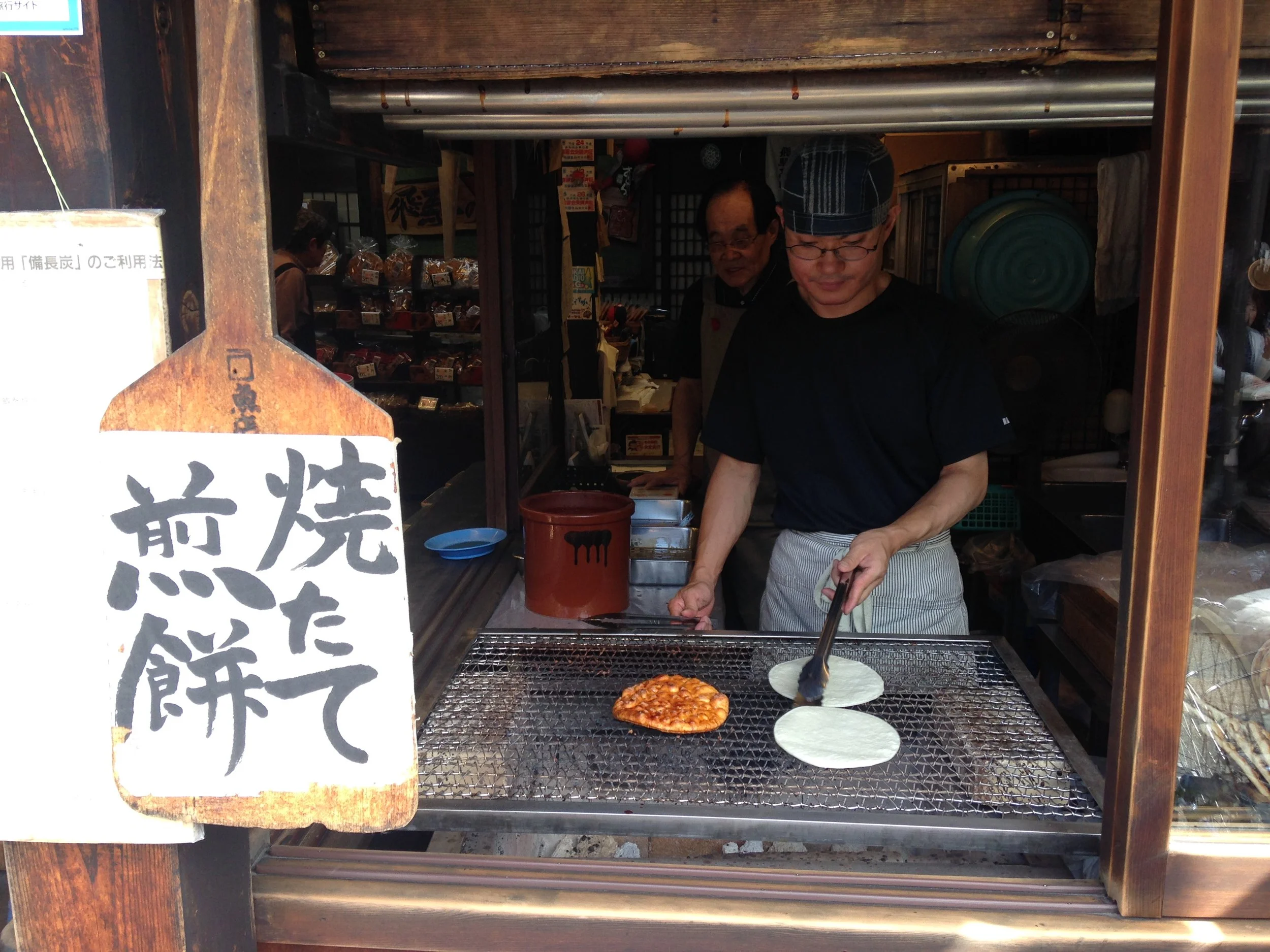
If you walk along Kami-Sannomachi, the most photographed historic street in Takayama, you'll see that it's now filled with new shops selling kitschy souvenirs. There are a few good places, of course. But it's hard for visitors to tell whether something truly comes from the Hida region, and I've seen similar souvenir shops all over Japan. I don't want you to get drawn into those places and spend too much of your time there. That's why I usually share my favorite places before the tour. Most of them are owned by locals and sell something unique. Take them as suggestions, but trust your instincts and explore the town. You can spend hours on Kami-Sannomachi alone, or wander the other streets to find tiny shops here and there.
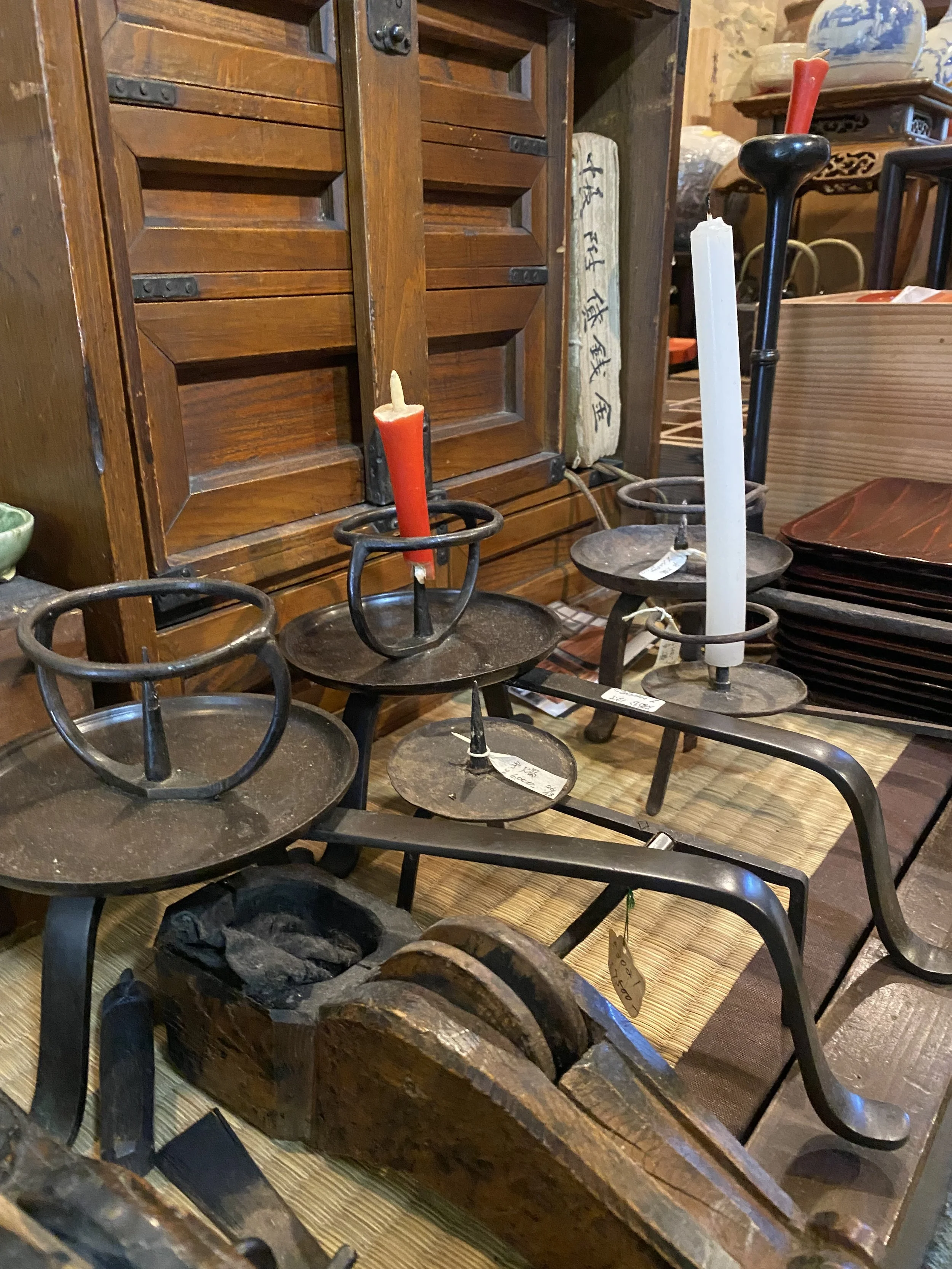
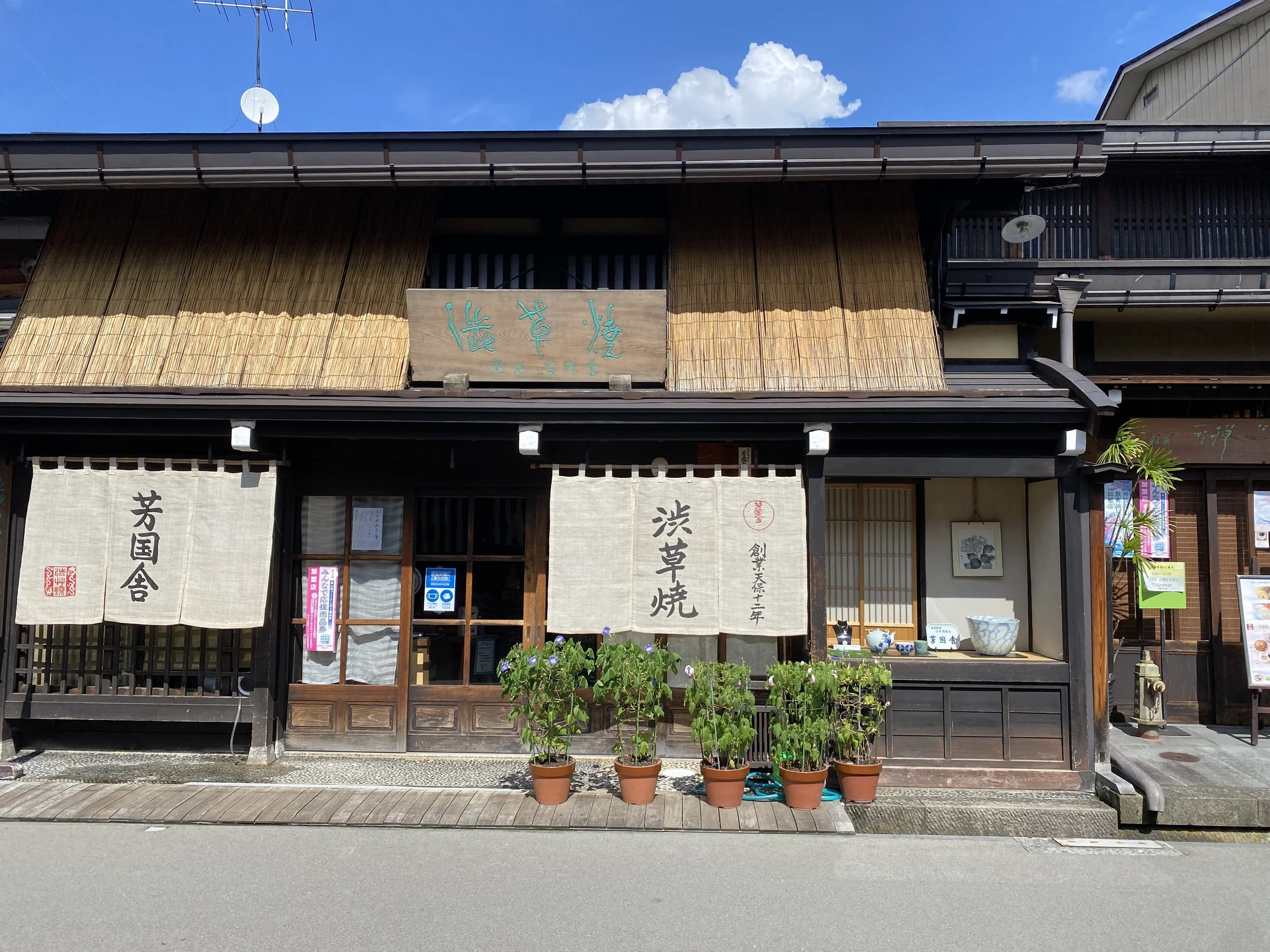
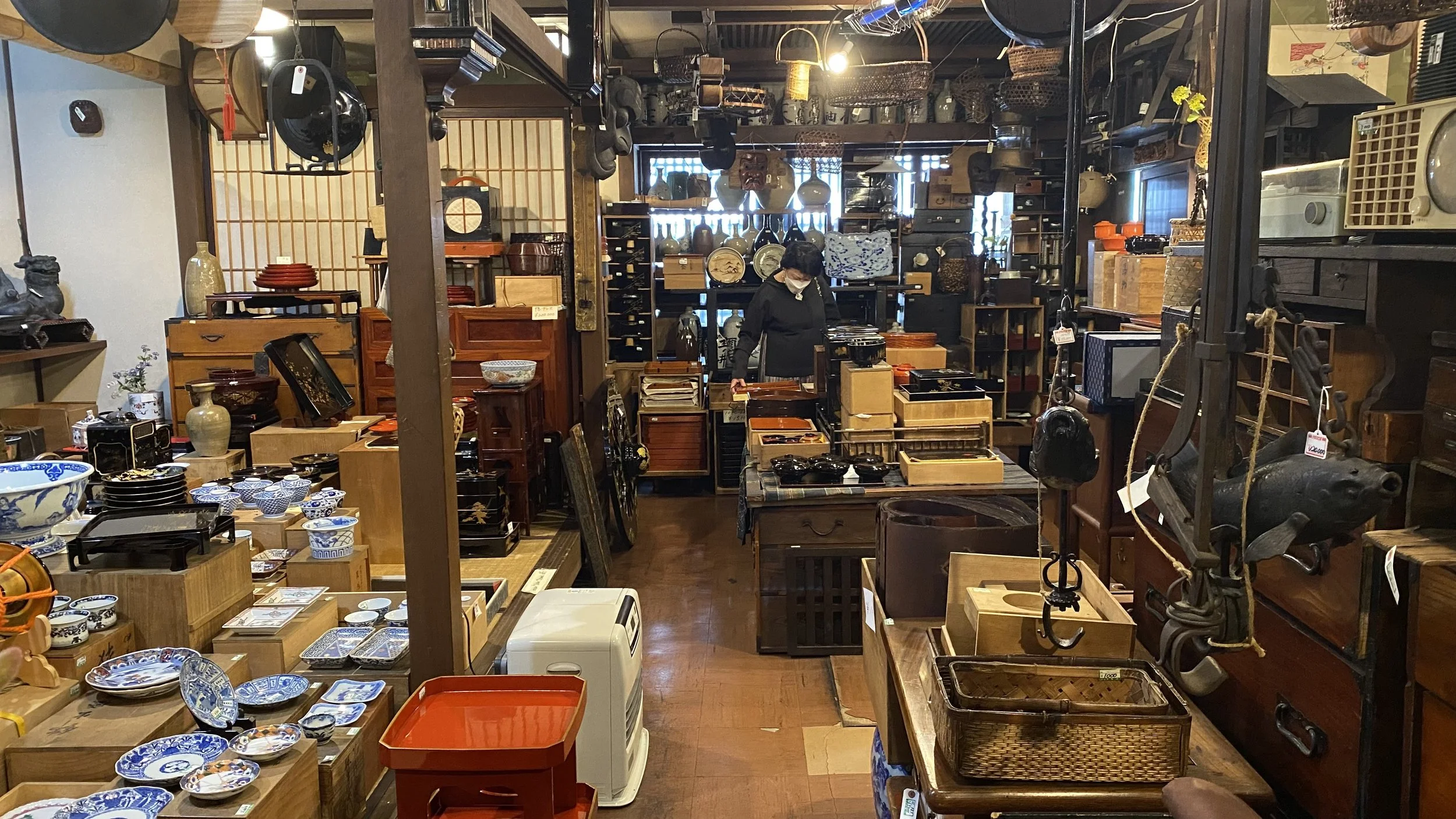
Two local crafts are worth knowing. Shunkei-nuri is lacquerware with a clear finish that lets the natural wood grain show through, a tradition that began in Takayama in the early 1600s. Shibukusa-yaki is hand-painted porcelain that has been made in Takayama since the 1840s. If you're lucky, you might find them at a reasonable price in an antique shop.
A Place I Keep Returning To
I love taking short trips to Takayama, and I've even considered building a tiny house here. But I learned that land in Takayama is expensive by Japanese standards, and prices keep rising as more tourists arrive. Finding a good lot in central Takayama takes patience.
Still, Takayama has wonderful craftsmen and carpenters who never stop impressing me. I'll keep looking for the right lot, and I look forward to meeting a great builder here. Someday, I hope to build a beautiful wooden home in Takayama.