
I started offering culinary tours in October 2013, timed with the long national holiday weekend. I always love this weekend because festivals are held all over Japan. Since I was already teaching Japanese food culture and cooking in Los Angeles, it felt natural to introduce my own town, which has been known for sword-making since the 14th century. There's much more to show, but here is what I usually like to introduce in Seki if you have half a day to spend.
Seki Traditional Swordsmith Museum
Making a single sword takes many hands, and the blade sometimes travels back and forth from one house to another. Sword-making used to be a community business, and it still is. For someone like me, who likes to rationalize and optimize any process, it was hard to understand why each simple step was assigned to one person or one family, until I found out there was a reason.
If you have seen the Japanese anime Demon Slayer (Kimetsu no Yaiba), you might remember the hidden village of swordsmiths. I don't know whether any sword-making community was actually kept secret in history. But the lord of a province certainly didn't want his sword-making techniques stolen, or his craftsmen moving to another province. So the process was divided among different families, which made the sword hard to replicate. You might copy a few techniques, or convince a few families to move. But the more families involved, the harder it is to persuade everyone. The same thing was done with other crafts. Urushinuri, Japanese lacquerware, was split into so many steps that the whole industry was nearly impossible to duplicate.
Japanese farmers lived under a similar kind of community constraint. If your neighbor did something wrong, it was the community's fault, and everyone was punished. Because of this long-lasting idea that one person's failure belongs to the whole community, Japanese people have always watched each other's business. Perhaps a little less so in modern Japan.
Communities like this once existed in many parts of Japan. A handful of towns still keep the sword-making tradition alive today. Others now mostly make farming tools or carpentry tools. Each town went its own way, and Seki became known for kitchen knives.
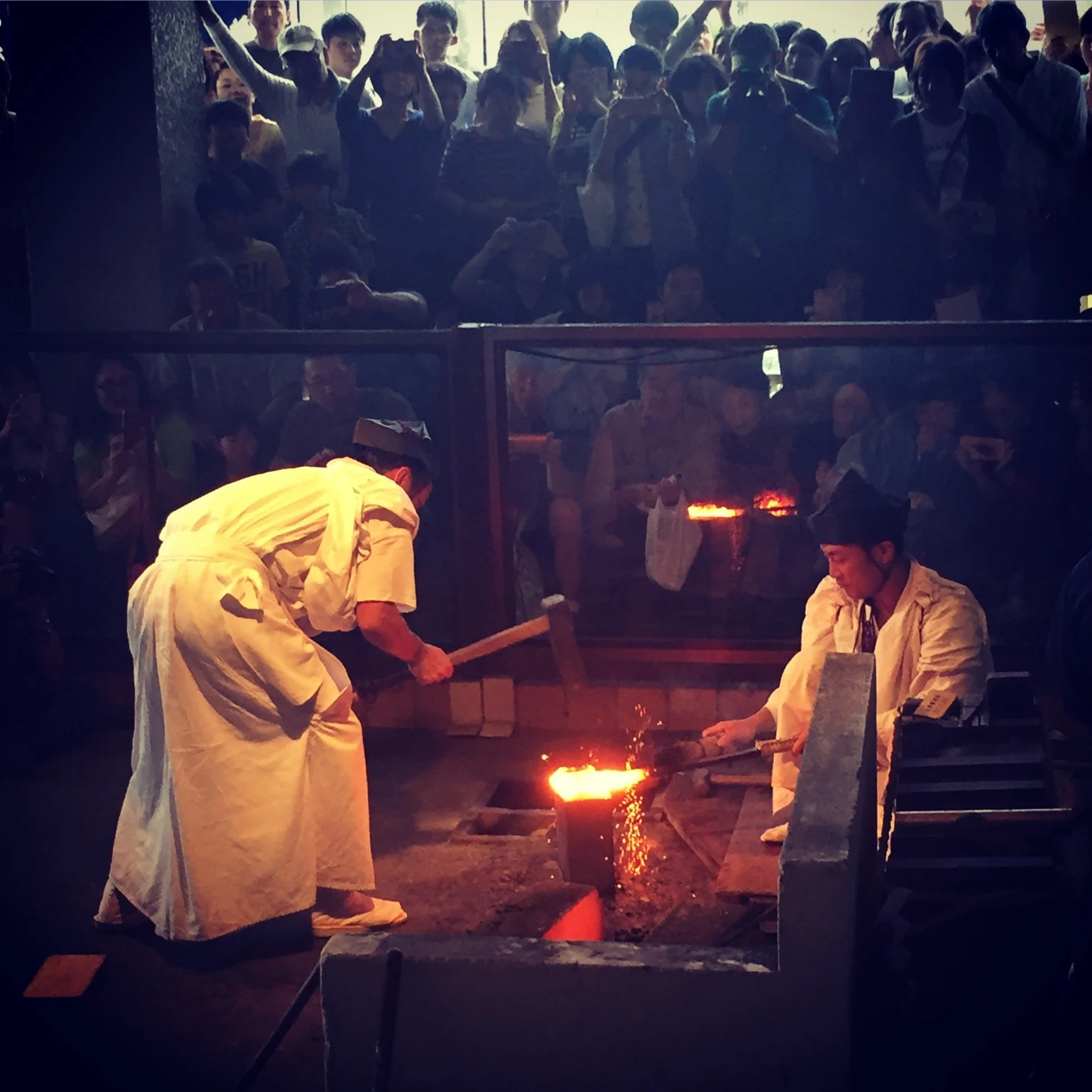
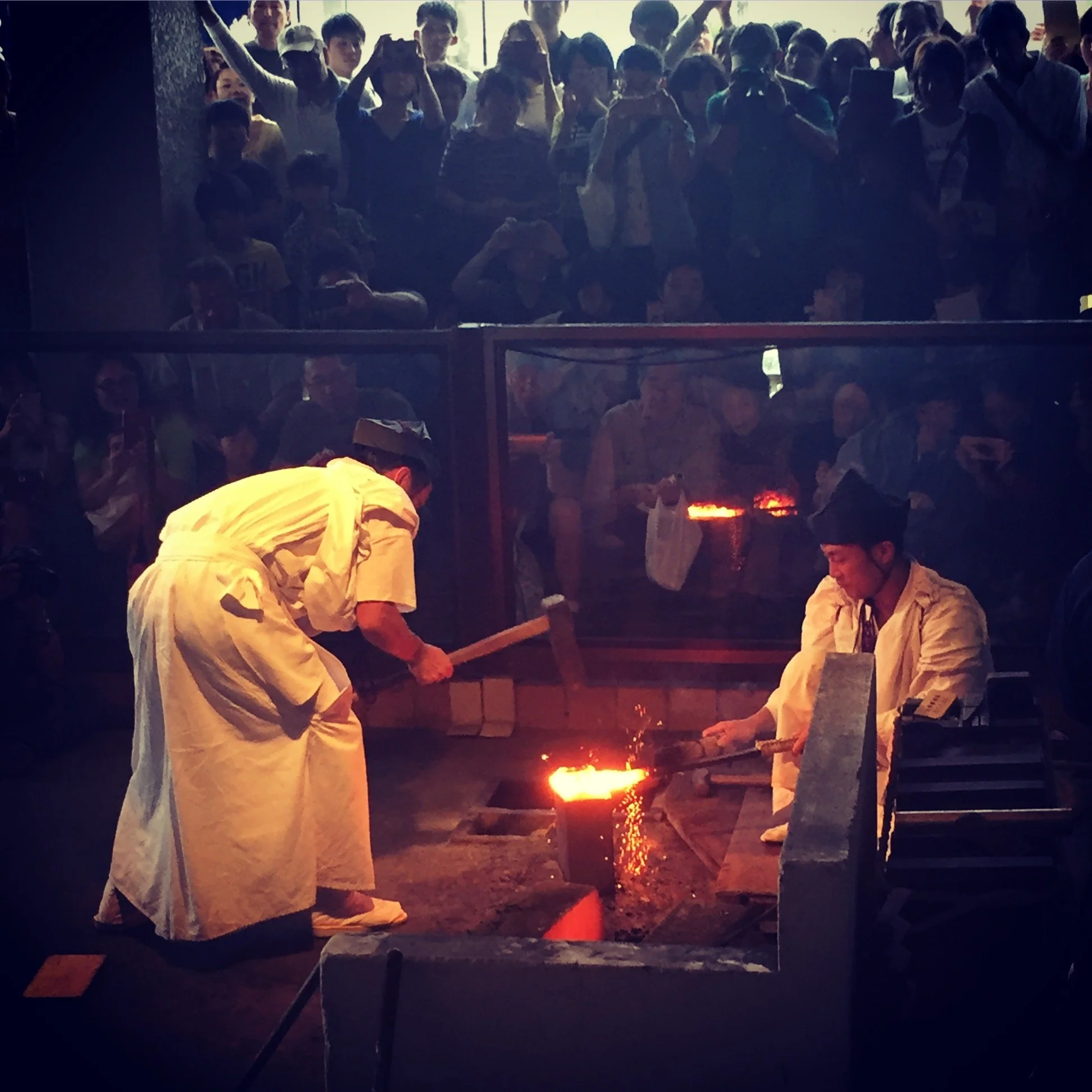
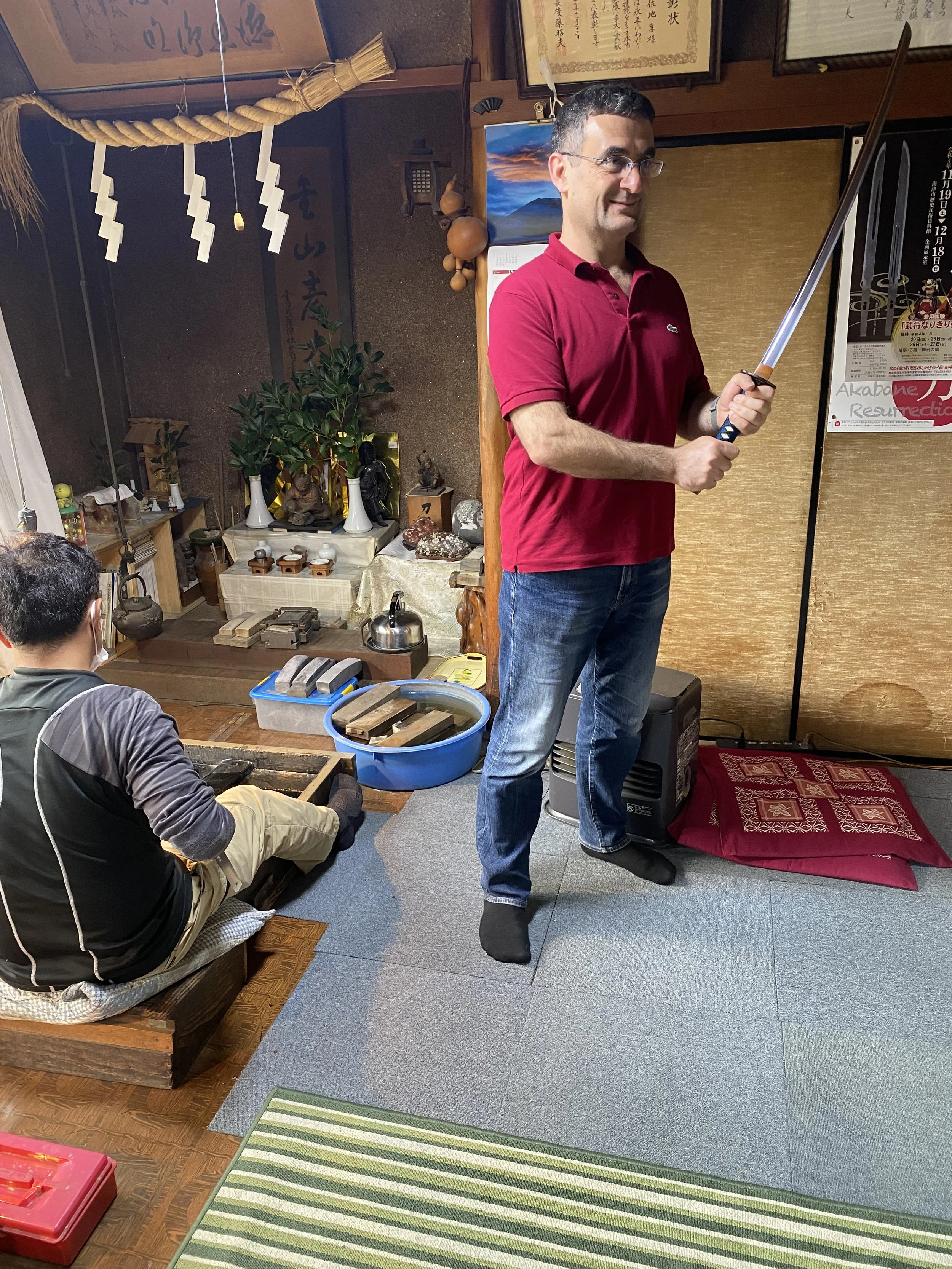
At the sword museum in Seki, see if you can find out how many steps it takes to make one sword. I have a neighbor whose family business is sharpening swords. They do only the final polish, the step that makes the blade shine like sunlight on a still lake. My father's friend and his son make sword grips. They use a special kind of skin so the fingers won't slip, then wrap the grip in beautiful cord work. During the knife festival, there are demonstrations of some of these steps.
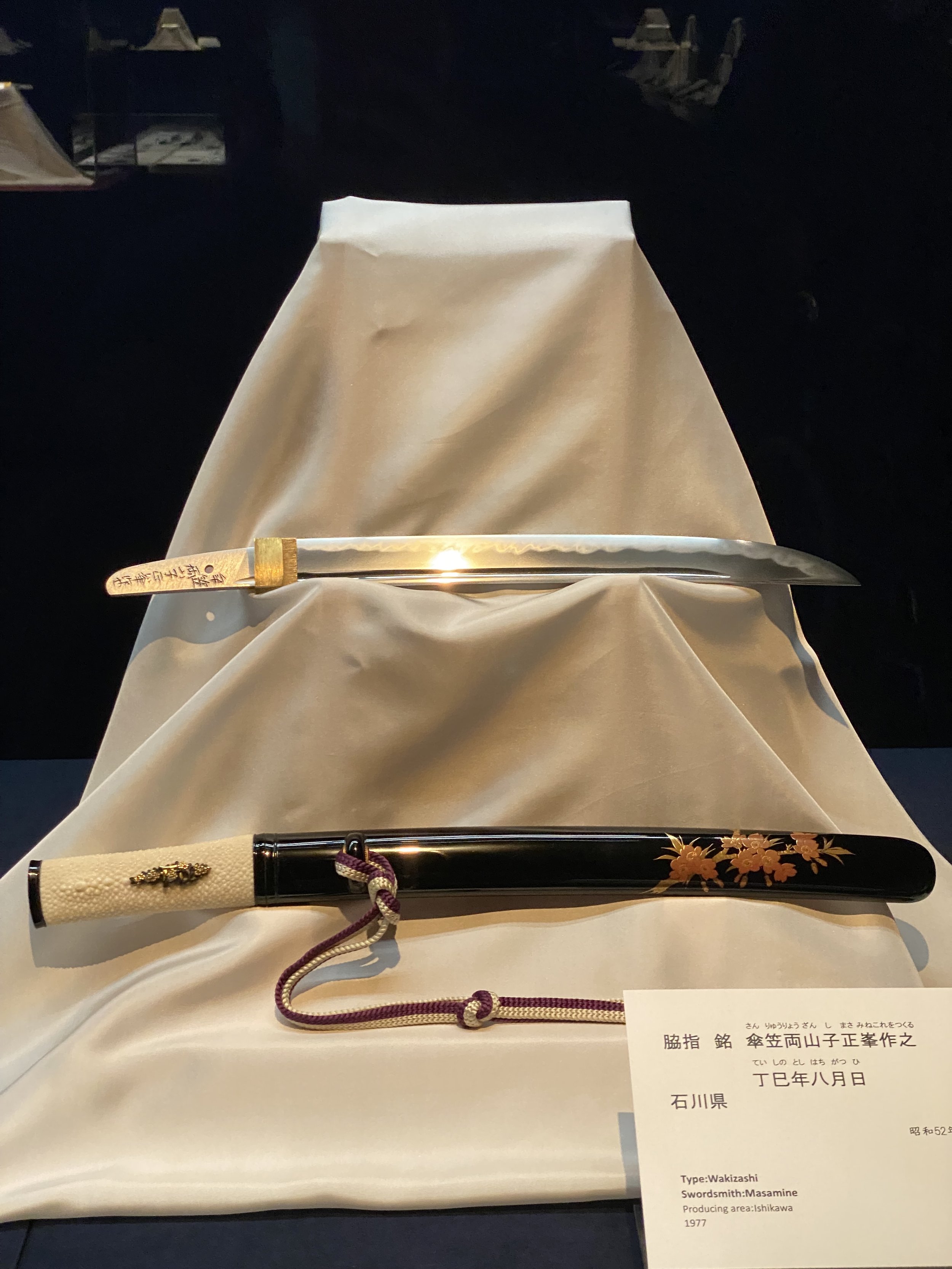
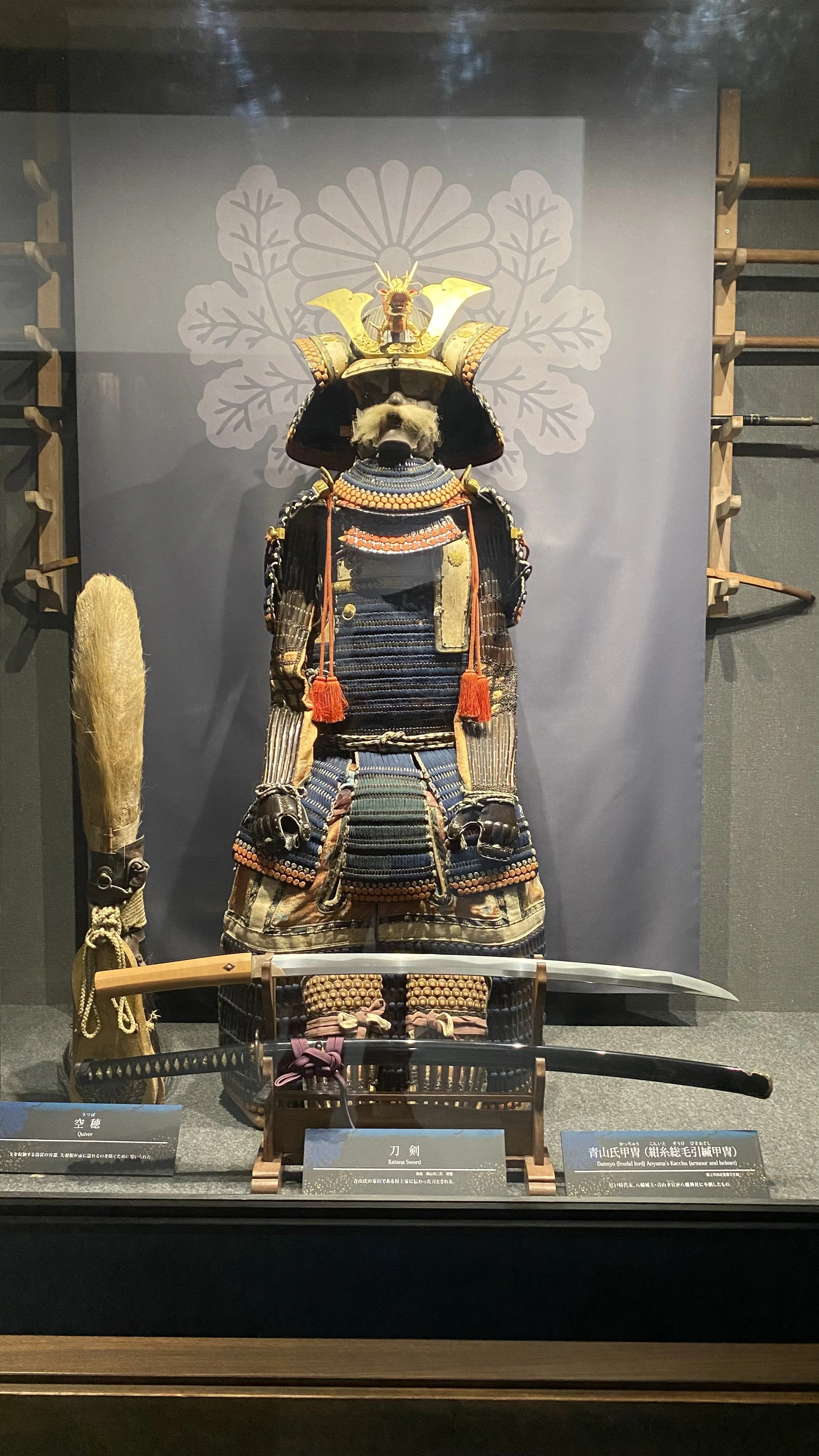
Once you've seen the whole process, move on to the swords from different centuries. It's interesting to see how the sword gradually became more of an art object and fashion statement than a weapon for actual battle. The different shapes, lengths, hamon (the wavy temper line along the blade), and all the other details you just learned about will start speaking to you.
Seki Terrace
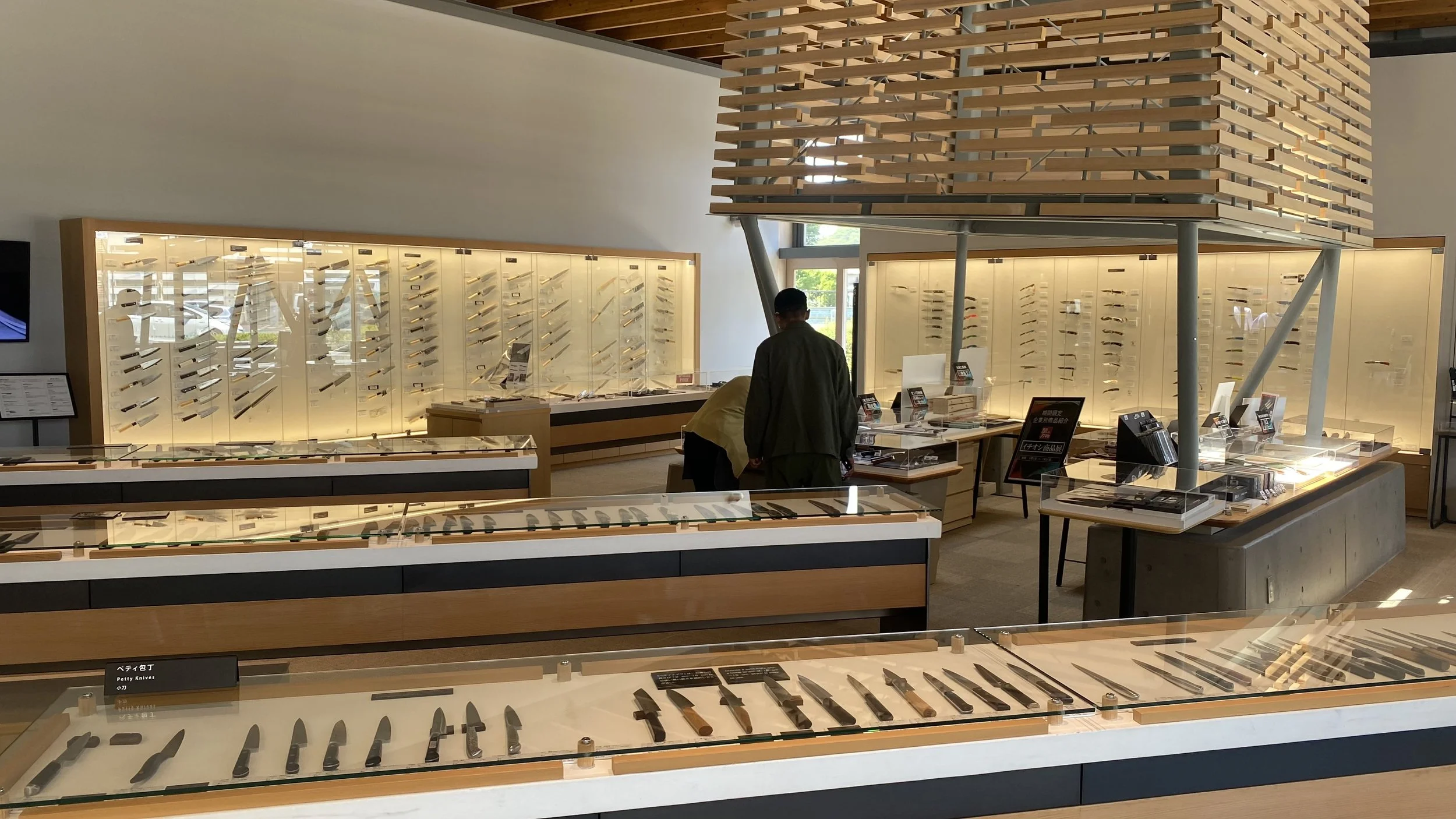
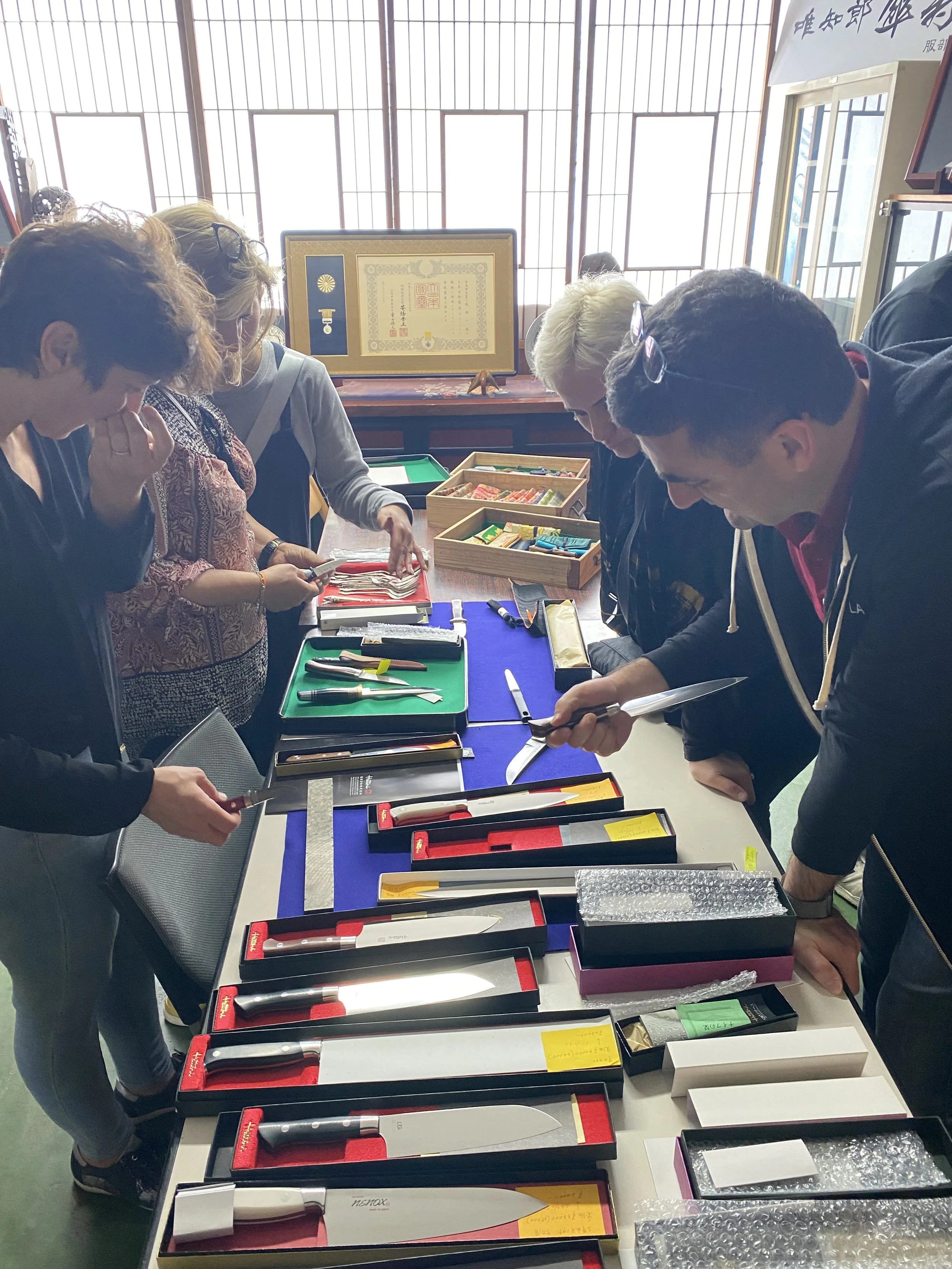
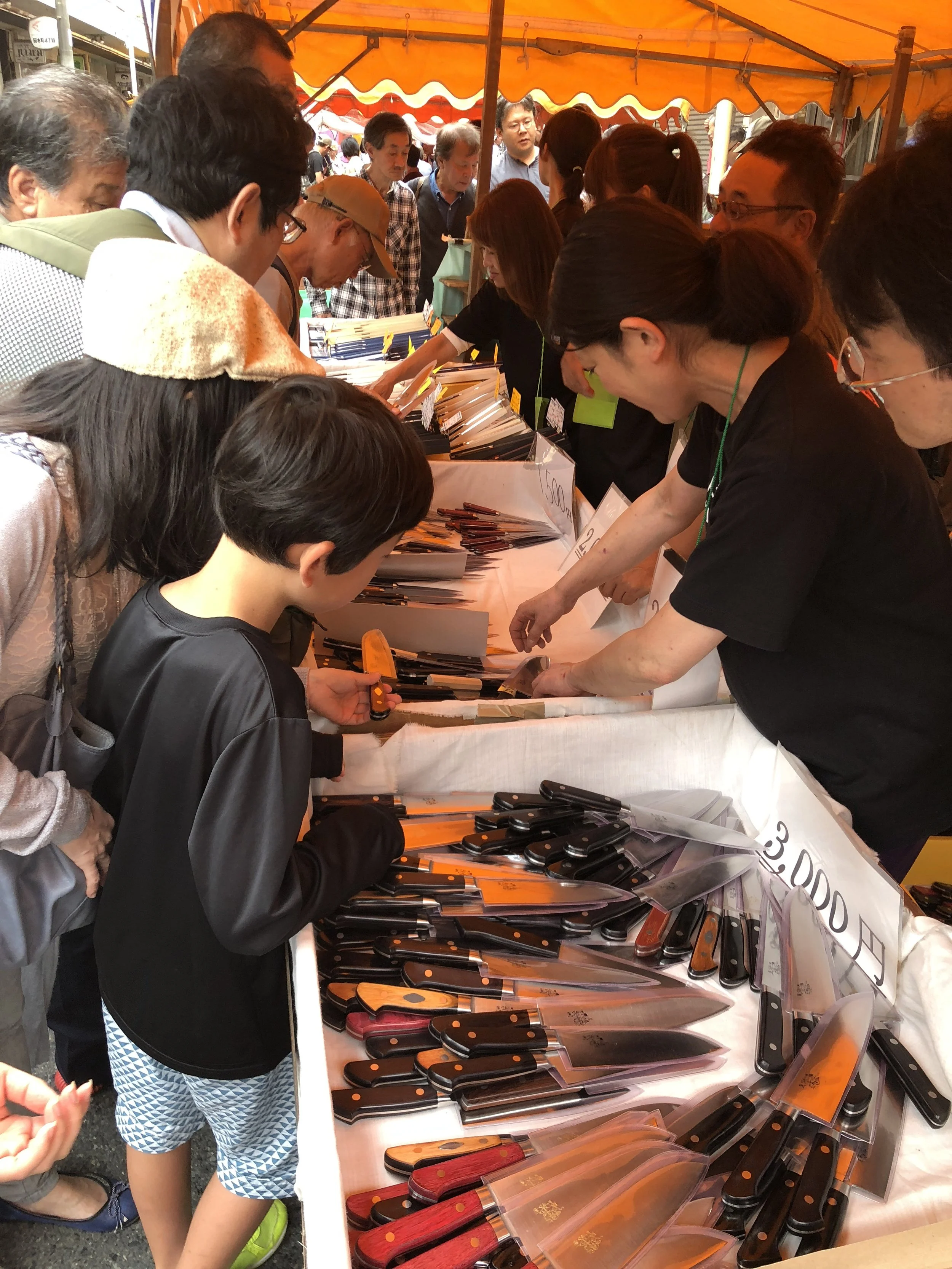
Seki Terrace (せきてらす, Sekiterasu), right next to the sword museum, is where you can see kitchen knives from all the companies in Seki, from everyday household knives to specialized professional ones. Some companies also make good scissors, nail clippers, and more. What's great about this place is that you can ask the staff to let you hold any knife you're interested in. I always like to hold a knife before buying it, because I don't like heavy knives, and it has to feel right in my hand. More people arrive in the afternoon, so I highly recommend going in the morning when it's less crowded.
It recently moved into a brand-new building that feels like a kitchen knife museum, with everything beautifully displayed. At the entrance, you walk across a glass floor and look down at an excavated 14th-century swordsmith site. The site was discovered by chance when construction of the building began.
If you visit at another time of year, you can still see a sword-forging demonstration on the first Sunday of every month.
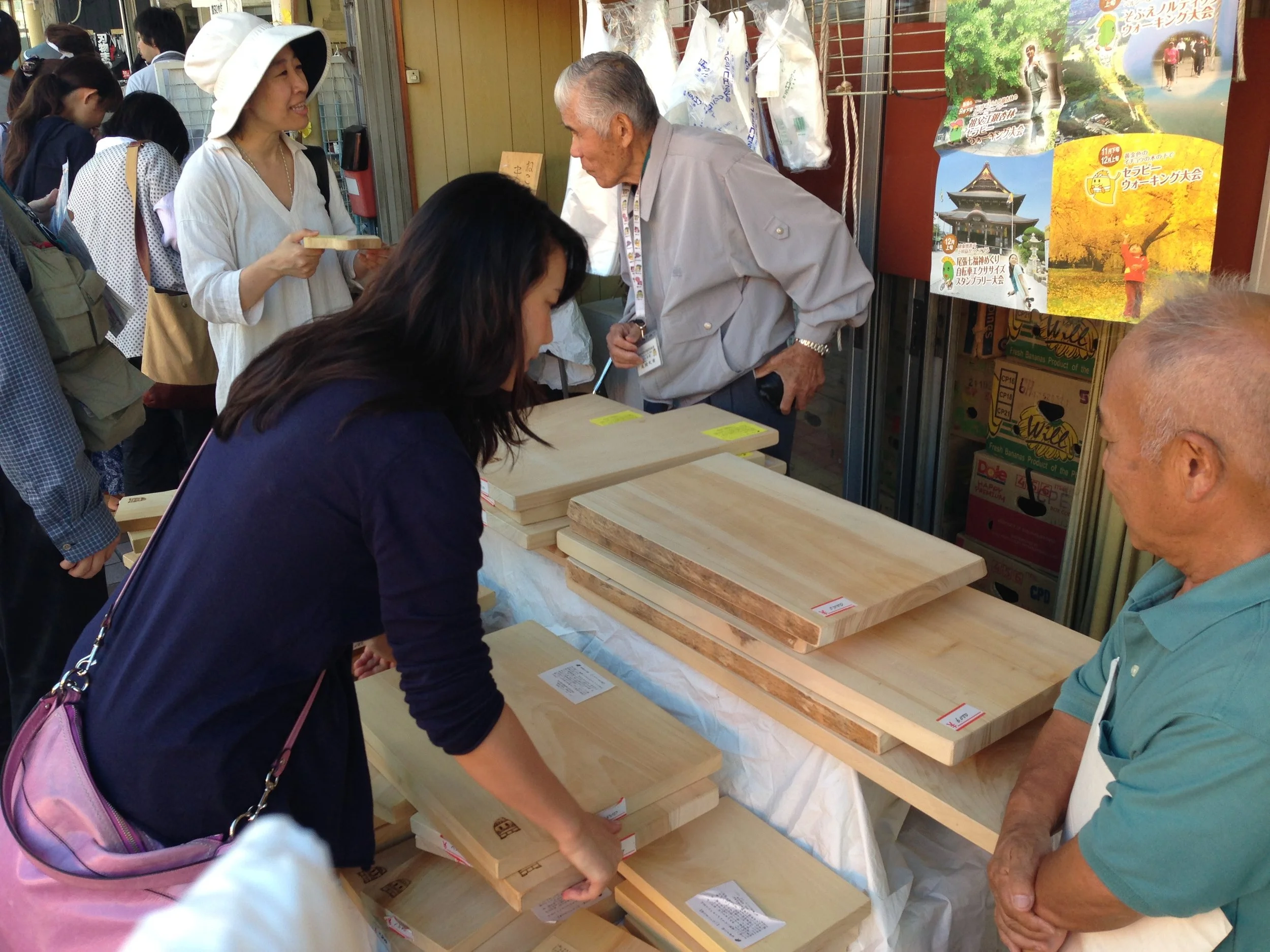
The Seki Knife Festival
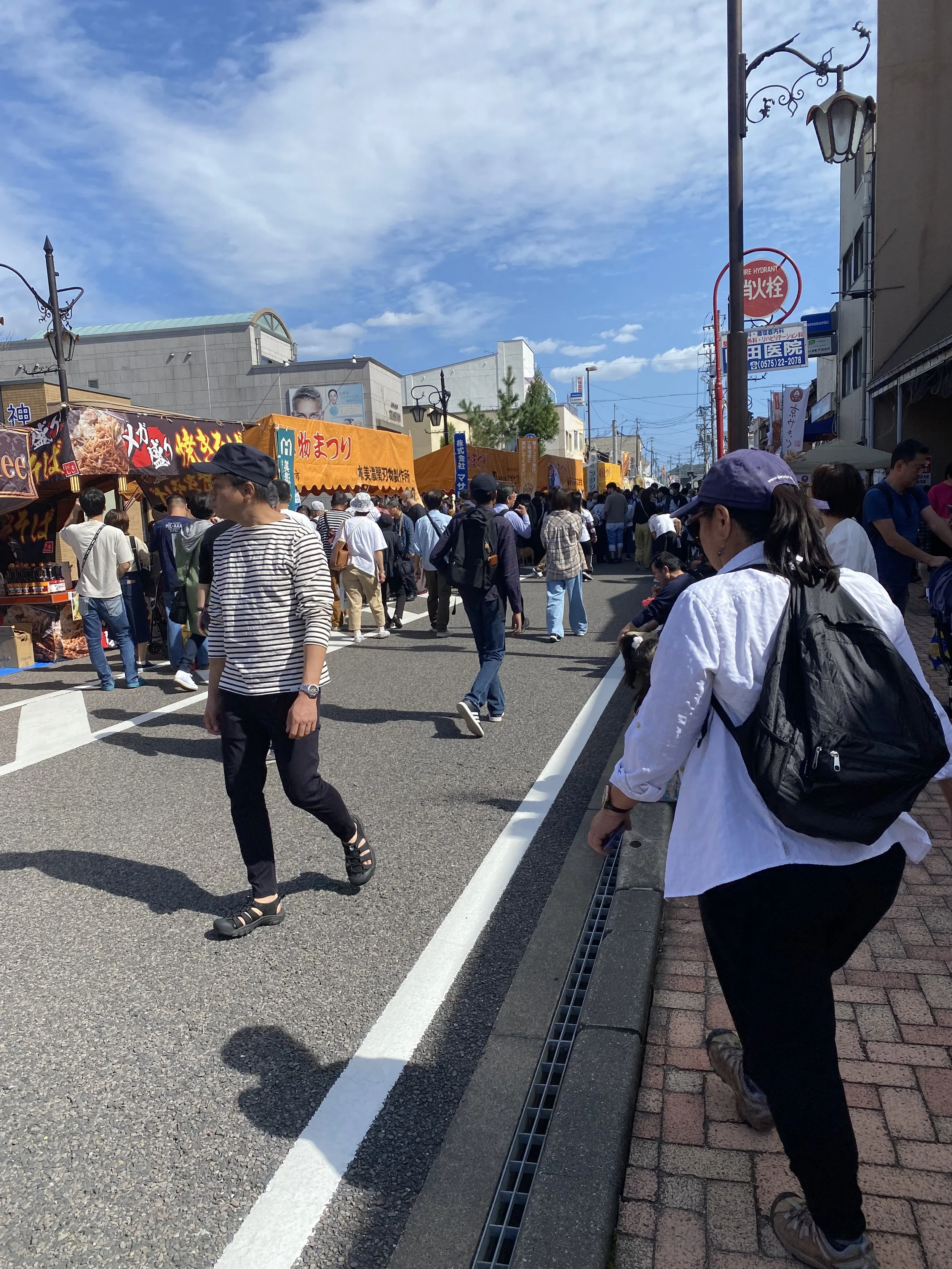
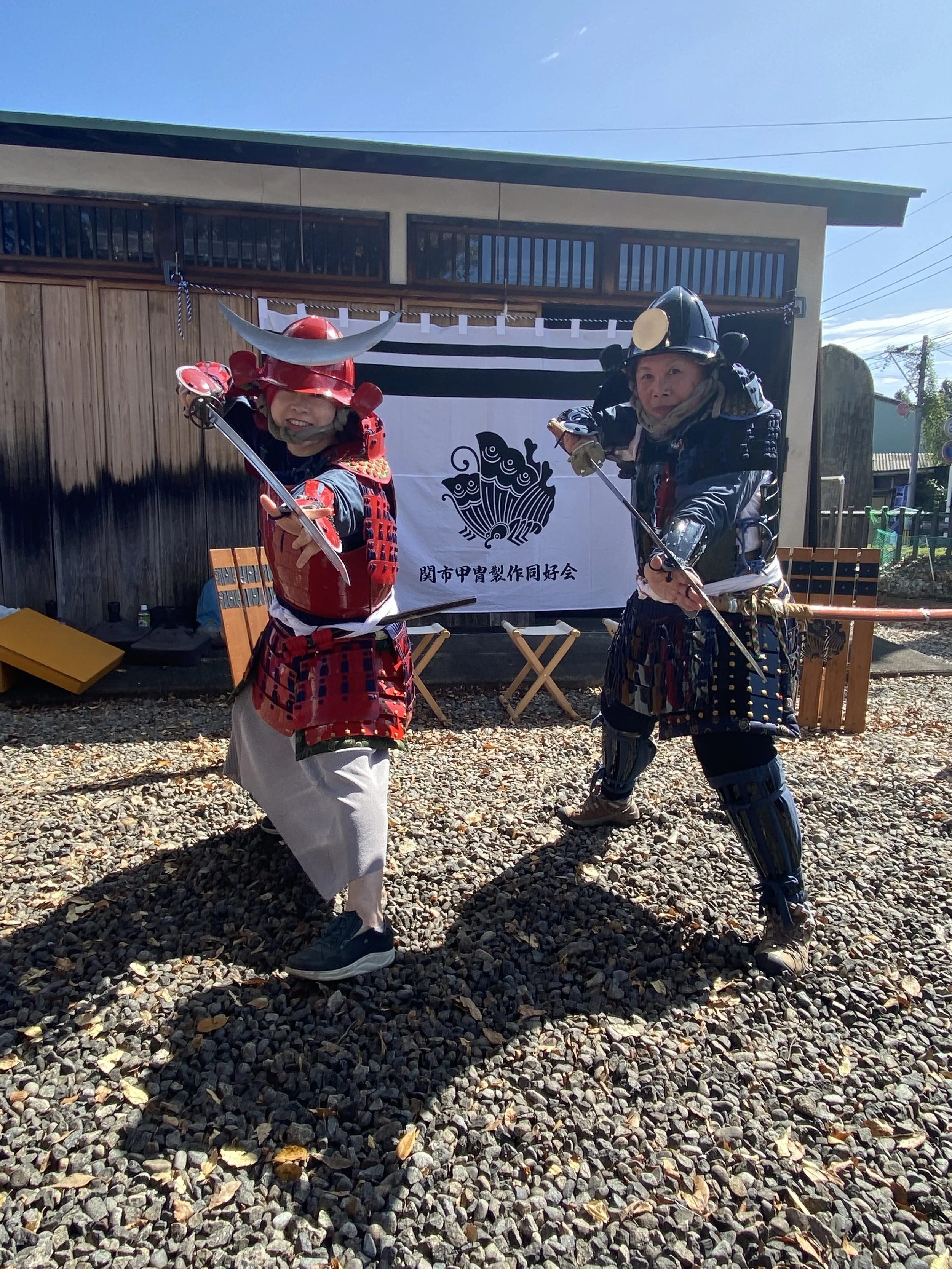
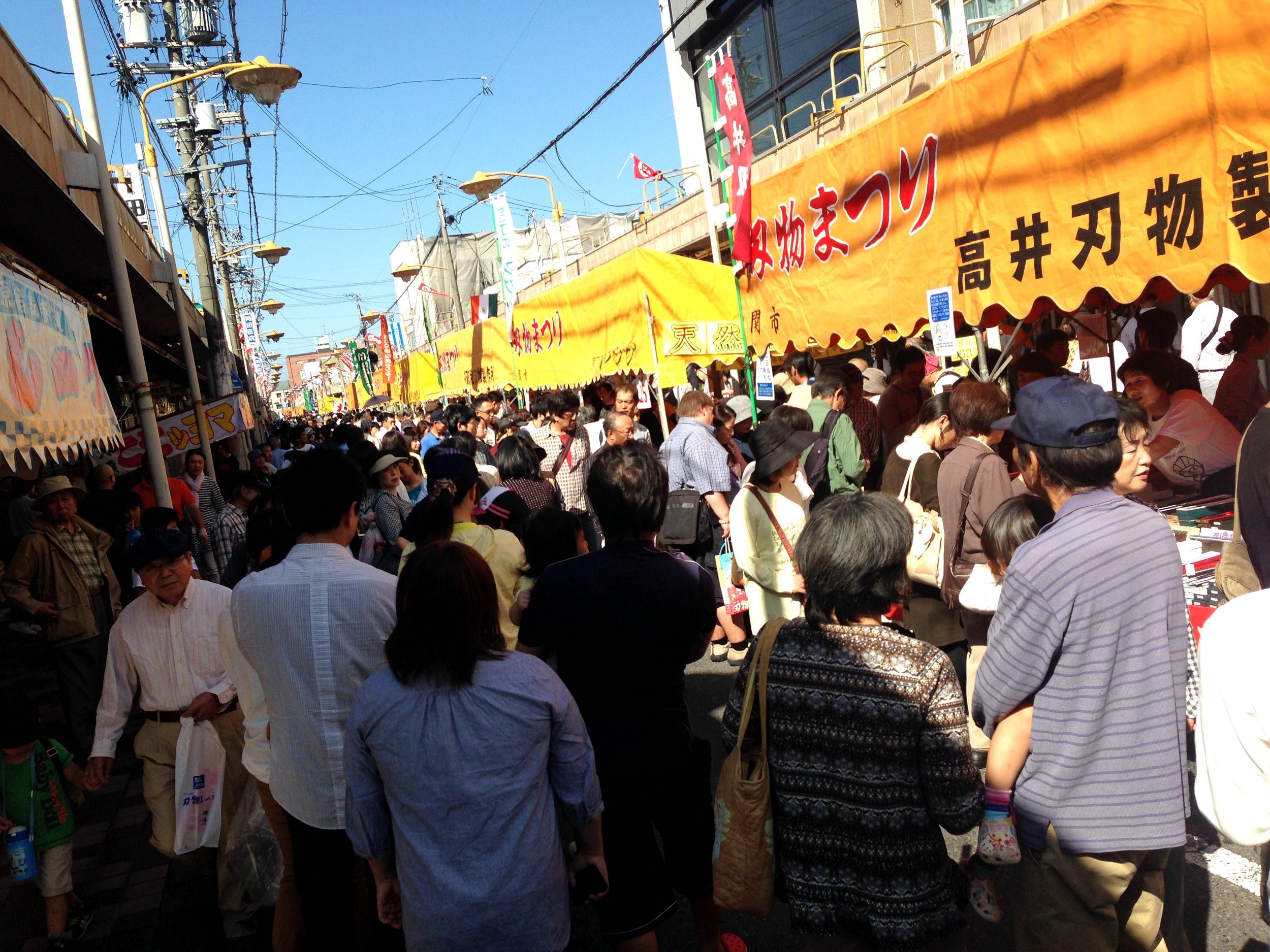
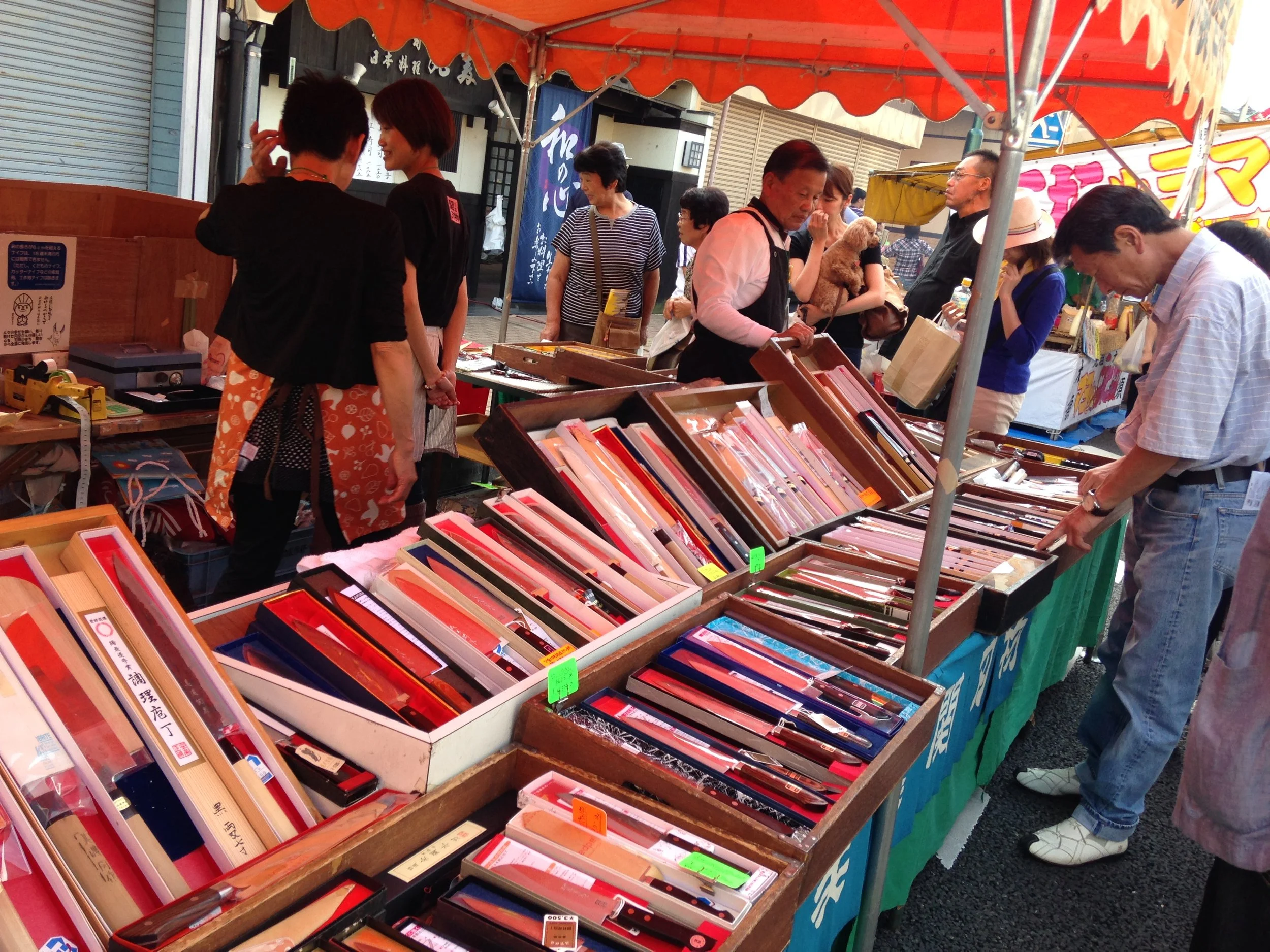
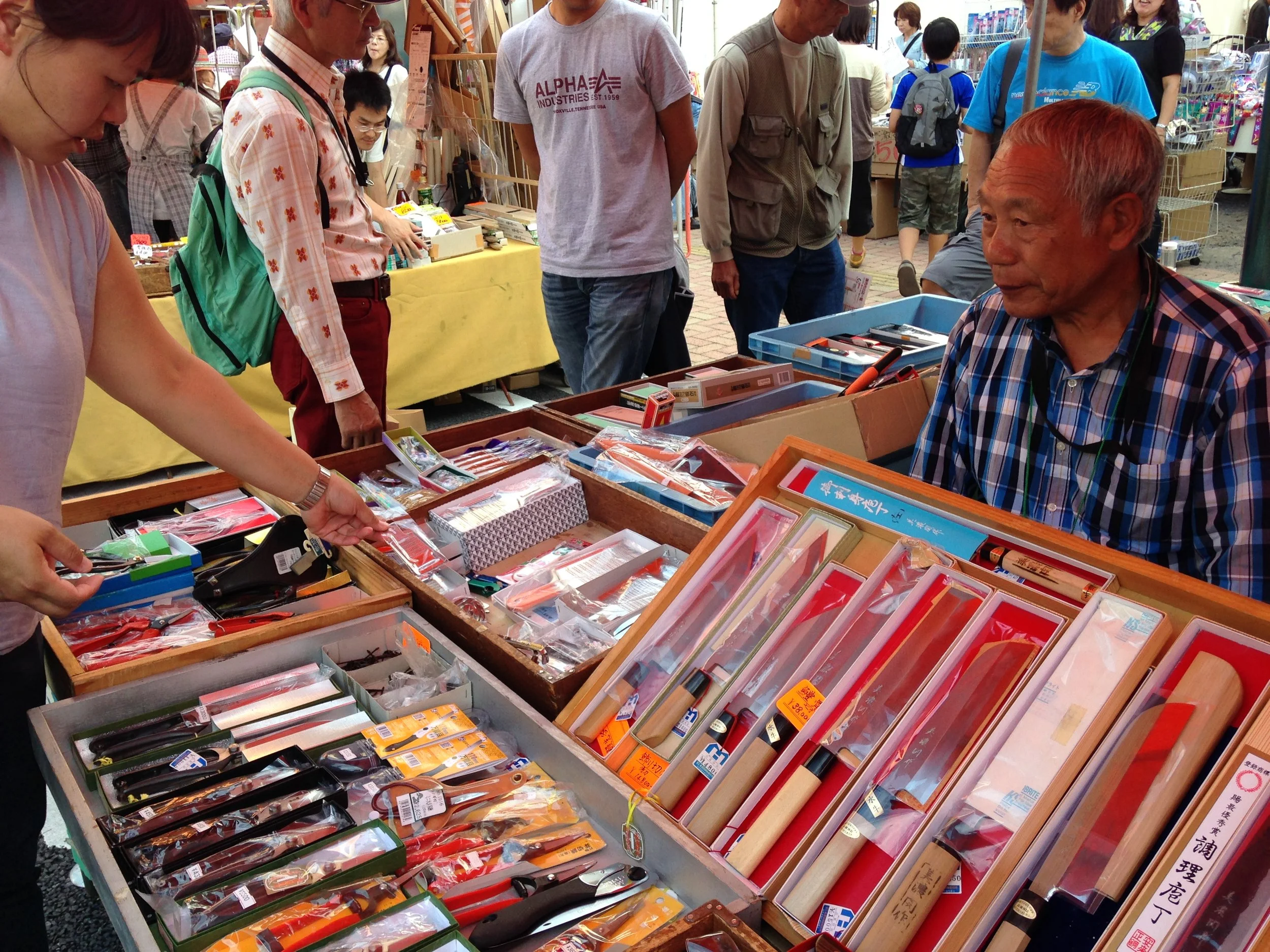
If you can, plan your visit for the knife festival, held over the long holiday weekend in October in the center of Seki, around the sword museum and Seki Terrace. The whole town comes alive. Here is what you can experience only at the festival.
Iaido Performance
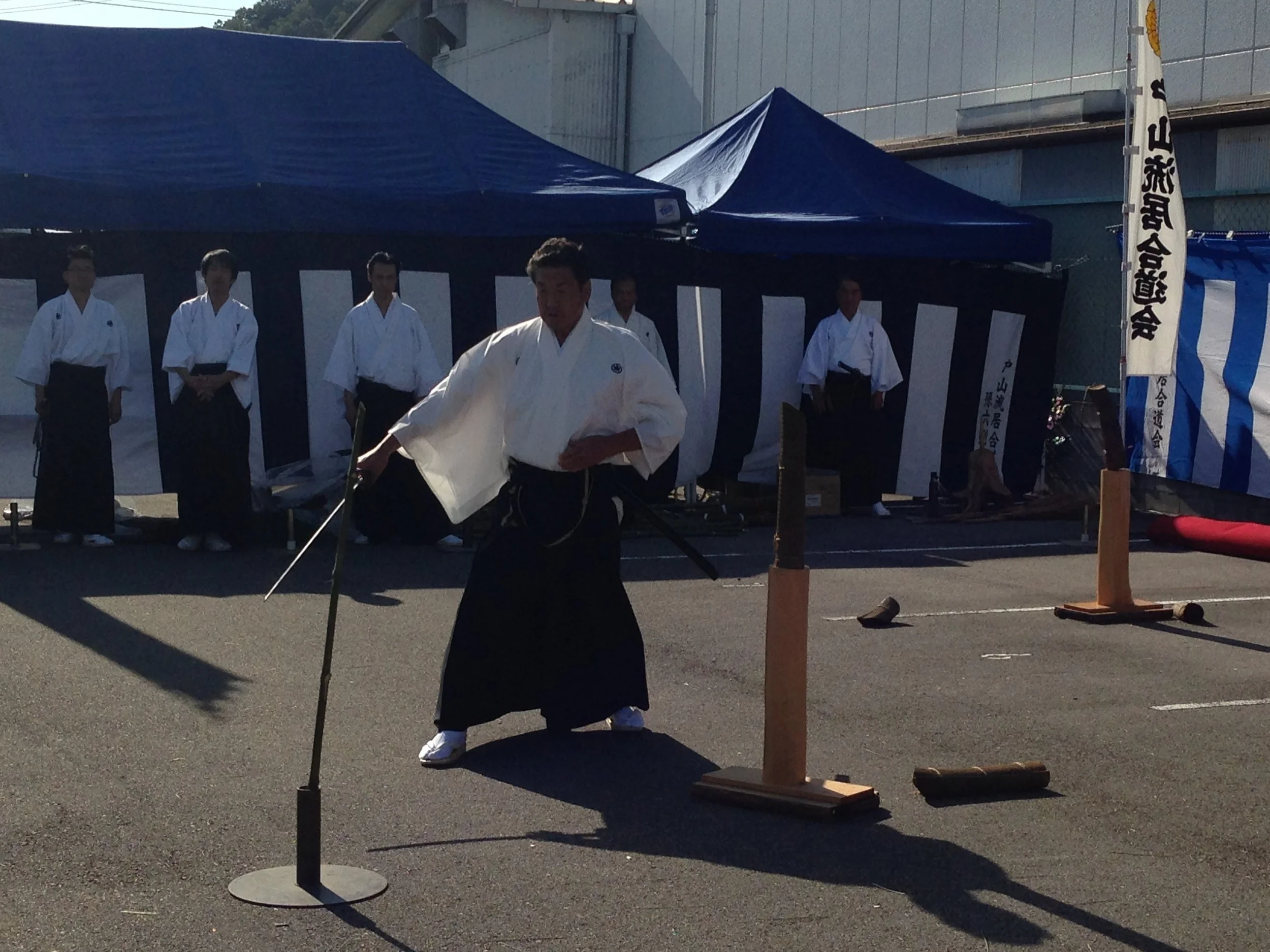
Don't worry if you've never heard of iaido (ee-eye-doh). Like other Japanese -dō, such as jūdō, kyūdō (archery), kendō, aikidō, and even sadō (the tea ceremony), it follows a strict form and flow. Mastering any -dō takes repeated practice of simple forms called kata. Iaidō is the art of the real sword, cutting objects such as bamboo. It covers everything from your posture and stance toward the object, to how you draw the sword and swing it down, to how you return it to the scabbard without looking where the blade goes. If you don't follow the form, it is very easy to cut your finger.
Each movement has its own beauty, and cutting an object cleanly in two with one big swing is harder than it looks. Even drawing the sword from the scabbard in one motion is quite difficult. At least, I couldn't do it, because the sword was relatively long for my short arms. At the festival, the Seki Iaido group performs. Not all of them can cut the bamboo or standing targets cleanly. But after watching several performances, you'll probably start to understand what kata is. When you truly master the kata, you can move and cut without thinking. When you can perform as naturally as breathing, that is when you have mastered the art of -dō.
If you're curious, I highly recommend reading Zen in the Art of Archery by Eugen Herrigel. And if you come across the iaido performance, please stop by and watch.
One of my old friends, who runs a cutlery company in Seki, started practicing iaido to honor the town's history when he decided to take over the family business. I always stop by to look for him, expecting that he's getting better and better. Though I'm not sure I could tell the difference.
The Handcrafted Outdoor Knife Market
If you go camping, hunting, or fishing, you might have a favorite knife you bring along. The only knife I ever bought was actually a Swiss Army knife with many other tools. I just liked its design and color. I didn't know how much variety there was in outdoor knives until I walked around this market. They differ in shape, in the material of the handle, and in whether the blade folds or stays fixed. You can also find individual makers selling their own unique knives. There's often someone from the U.S. or Canada showcasing their work. You can always have your name engraved on the blade of the knife you buy. This service isn't only at the outdoor knife market; some kitchen knife makers offer it too.
What to Buy at the Knife Festival
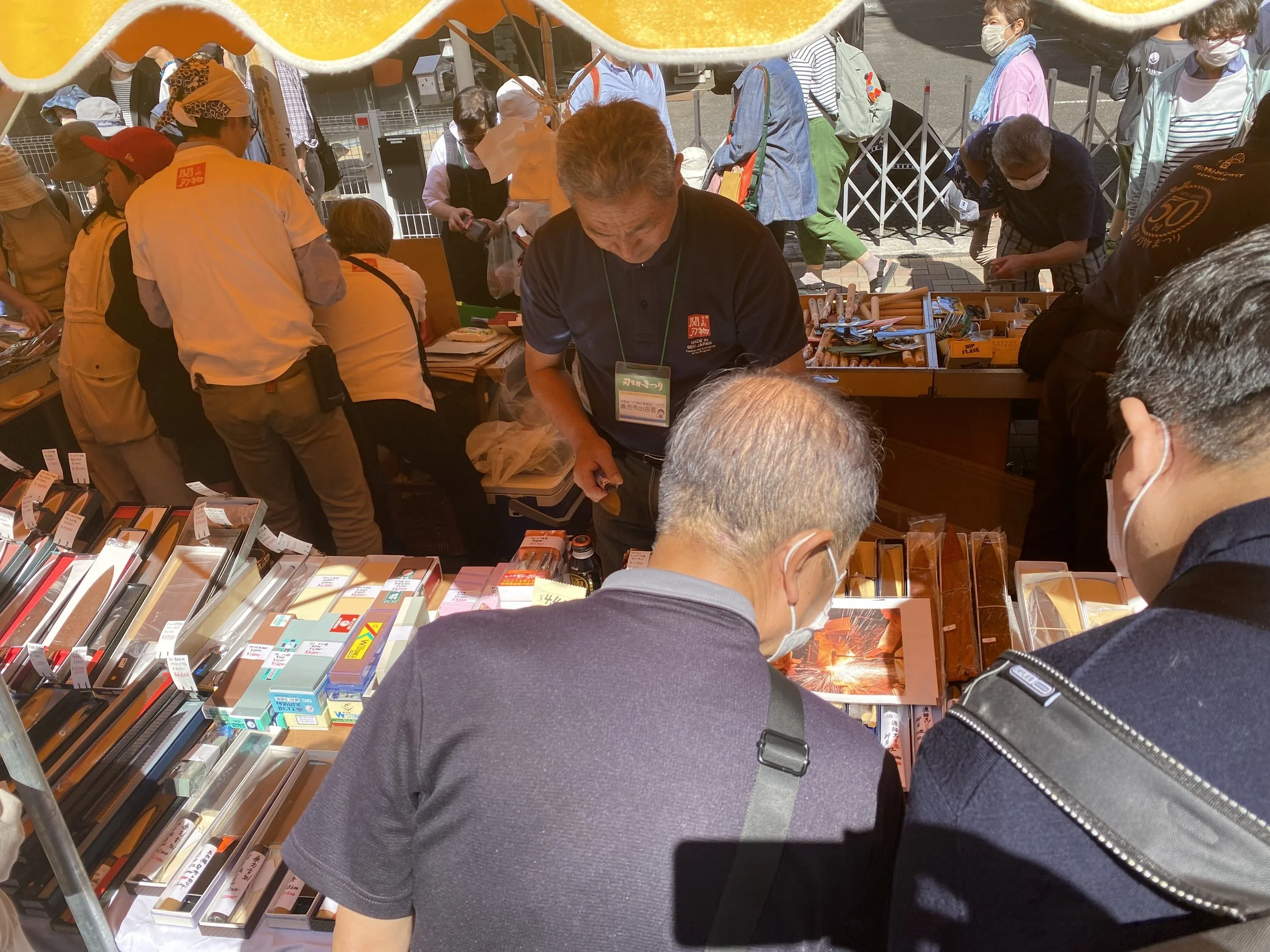
Dozens of companies sell knives along the main street. If you already know what kind of knife you want, look up the company name and head straight to its stall. Most stalls open at 10 a.m., but some people start lining up earlier to get outlet knives at discounted prices. I highly recommend buying nail clippers for yourself, your family, or friends. They cut well and make a souvenir everyone appreciates. A good pair costs around 1,500 yen (about $10), and premium ones go up to about 3,000 yen. And they're so tiny, too.
As I mentioned, other regions were also historically known for their swordsmiths. Seki's kitchen knives are known for stainless steel. If you want a hand-forged carbon steel knife, save it for a trip to Osaka. The city of Sakai, just south of Osaka, is known for that kind of beautiful knife.
What to Eat at the Seki Knife Festival
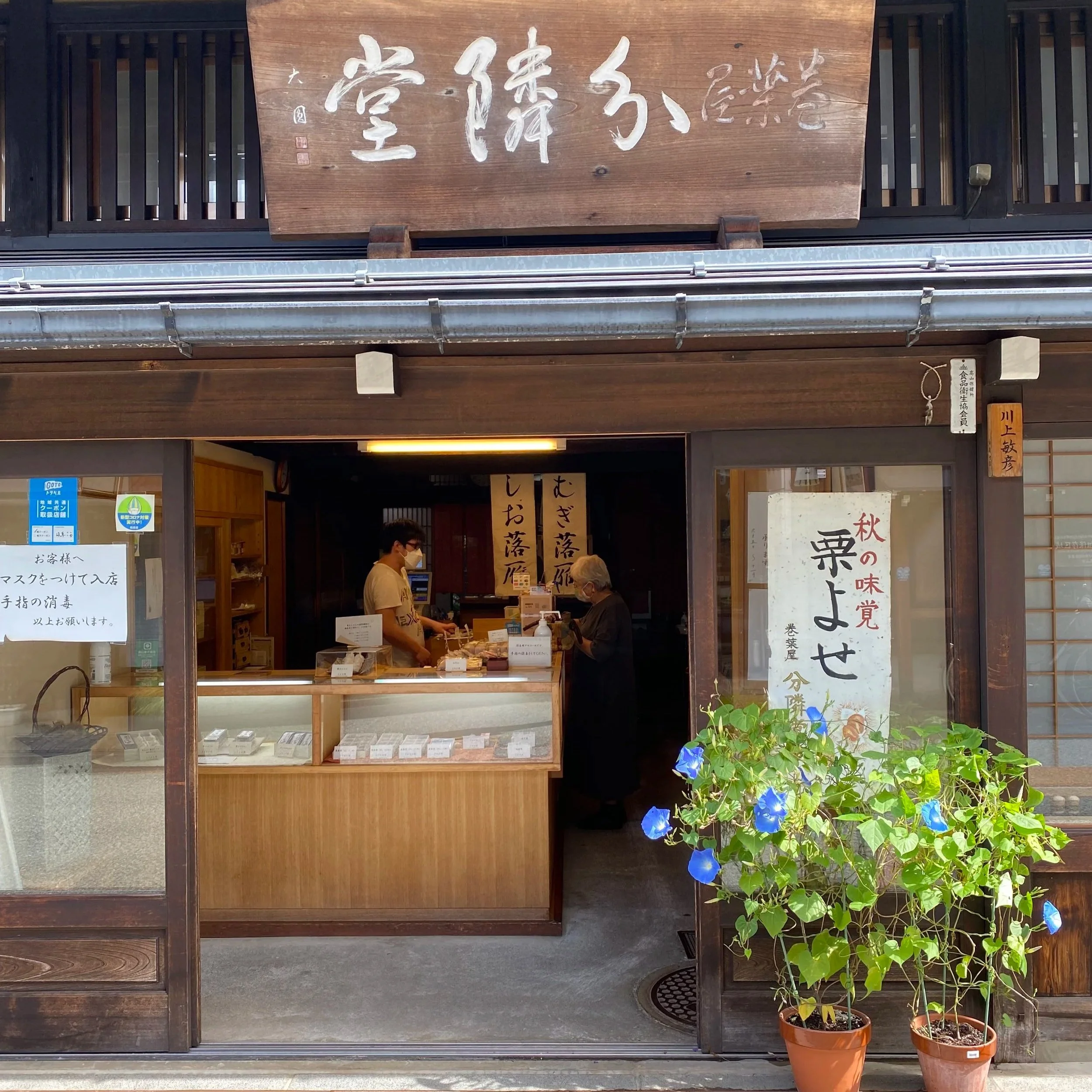
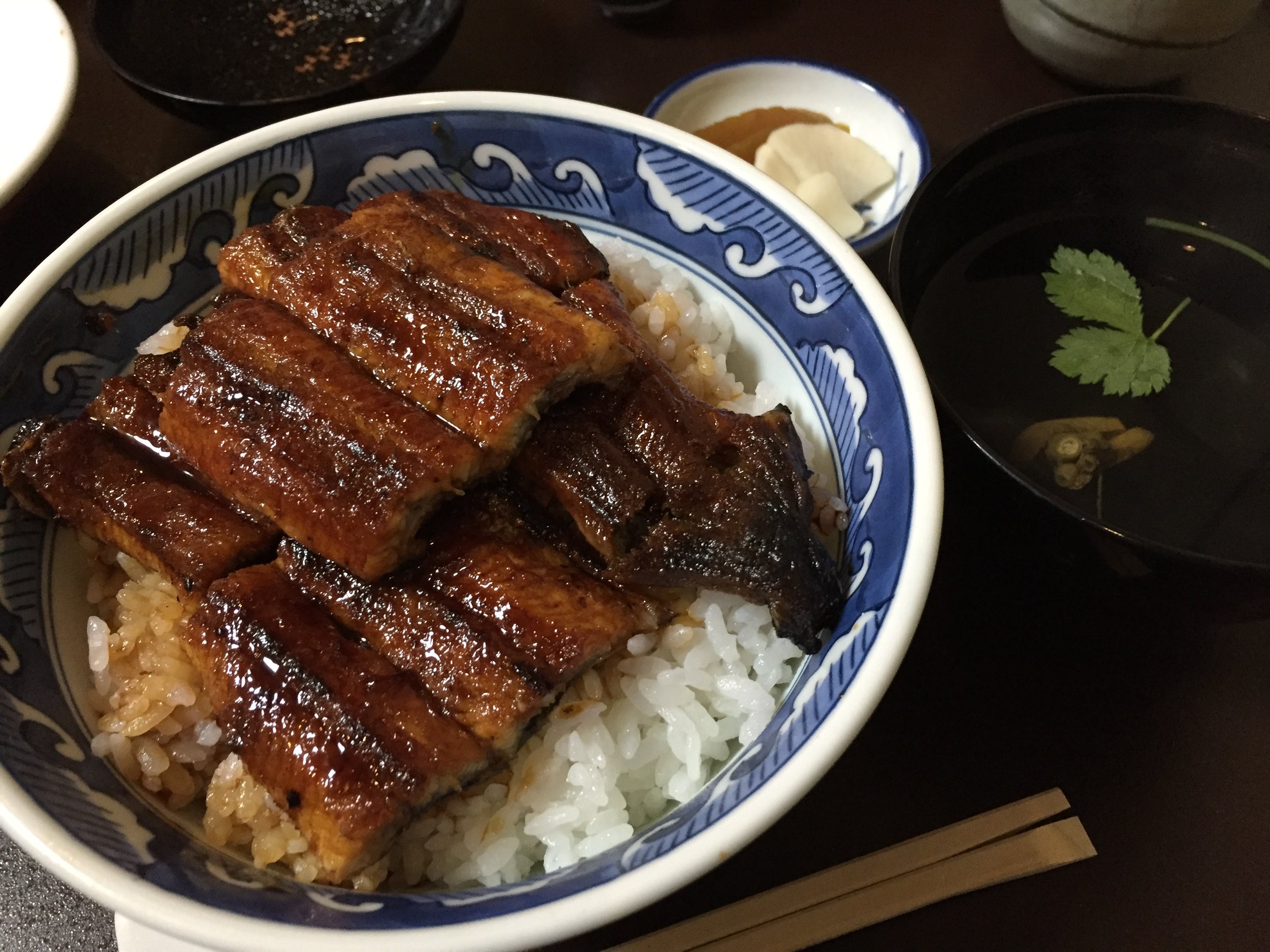
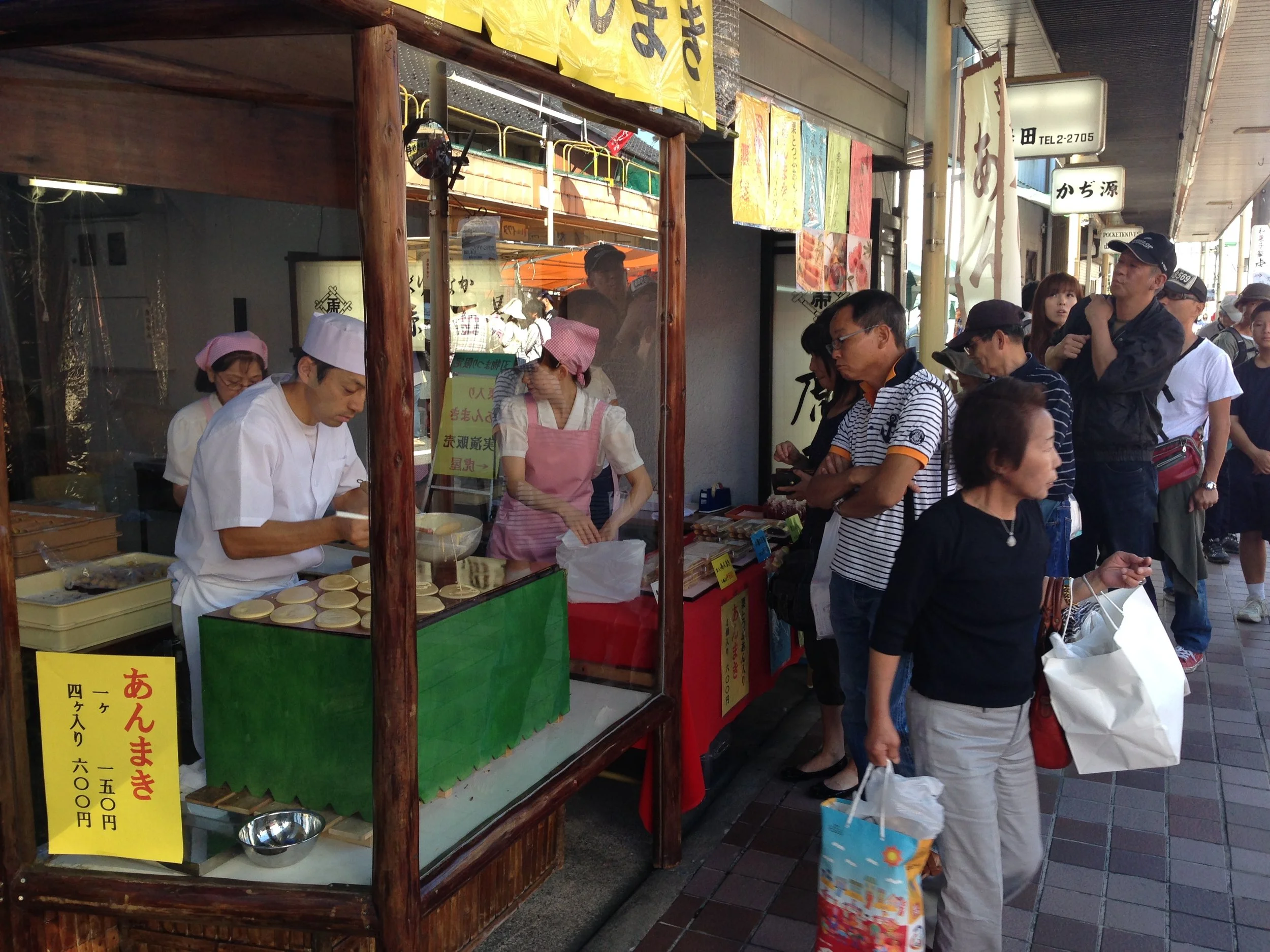
Seki is known for good unagi, grilled eel. For its size, it has more restaurants serving nothing but grilled eel than any other town in our region. A few minutes' walk from Tsujiya, a well-known unagi restaurant, is a good wagashi (Japanese confectionery) shop called Toraya. During the festival, they make special sweets, and we line up for them. See what they're making, and don't hesitate to join the line if you're tempted. It moves faster than you think. On our tour, the owner of Toraya even comes to teach our group how to make wagashi.
Thank you for reading to the end. I look forward to showing you my town.